“WHOLE STORY:
The hum of the laptop was the only sound in the world.
I sat in my car, the parking lot of Fort Bragg a graveyard of empty vehicles and fading orange light. My fingers hovered over the keyboard. The cursor blinked on the folder named “”Cruz_Evidence_v2″”.
My phone buzzed.
Mom.
“”Family comes first, Harper.””
Family.
I thought of my sister’s smile at the gala. The way she dismissed my life savings as “”paranoia.”” The way she wrapped her arms around me in a hug that felt like a chokehold.
I thought of my father’s cold eyes, telling me I was ruining her “”perfect future.””
I thought of my mother’s hand on my arm, her voice a desperate whisper. “”You need to sign the papers. Don’t make a scene.””
They wanted me to disappear. They wanted me to be the broken one.
I opened the folder.
The screen filled with data. Financial records. Server logs. Emails. A digital map of my sister’s betrayal.
I saw the exact moment she transferred my money. The thirty-two years of dreams—a house, a family, a future outside the uniform—gone in a single digital stroke.
I saw the forged Power of Attorney. Her signature over my name.
I saw the logs from the server. Her arrogance laid bare in the hardware MAC address she forgot to spoof.
This wasn’t just evidence. This was her confession. A confession she never thought I would find.
My hands were shaking. Not from fear. From focus.
The mission was clear.
I shut the laptop. I didn’t sleep. I sat in the dark of that hotel room, staring at the ceiling, rerunning every conversation, every dismissive glance, every moment I let them convince me I was the problem.
I wasn’t the problem.
I was the solution.
—
The morning of the tribunal arrived gray and cold.
I drove onto the base with my dress uniform pressed perfectly. My boots were polished. My hair was tight. I looked like the soldier they were trying to erase.
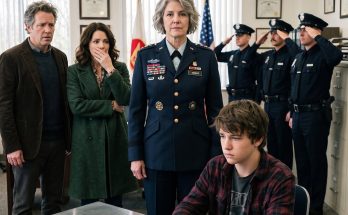
I walked into the conference room. The air was thick with the smell of stale coffee and recycled tension.
Masters was at the head of the table. The JAG officer sat to his right. The CID investigator sat to his left, arms crossed, watching everyone like a hawk.
My family sat on the left side of the room.
Brianna was radiant. Her dress blues were immaculate. The silver of her Captain’s bars caught the fluorescent light. She was the picture of military excellence.
My mother sat beside her, clutching a handkerchief. My father was stone-faced, staring straight ahead.
They didn’t look at me.
I was the ghost at their feast.
“”We are here today to finalize the administrative separation of Specialist Harper Cruz from the United States Army,”” Masters said, his voice flat and tired.
“”Due to medical reasons,”” Brianna added, rising to her feet before anyone could continue.
She turned to face the board, but her words were aimed at me.
“”This is a deeply painful moment for the Cruz family. My sister Harper has suffered greatly. The military life was not kind to her. She struggled with the rigors of deployment. She struggled with the isolation. We tried to get her help. We offered support. But ultimately, the illness was stronger than our love. We are grateful she is taking this step so she can focus on her recovery.””
She paused. Her voice cracked, perfectly timed.
“”I love you, Harper. We all do.””
She sat down. My mother nodded. My father cleared his throat.
It was a masterpiece of manipulation.
She made herself the hero of a tragedy she wrote.
And I was the monster she had to put down.
Masters looked at me. “”Specialist Cruz. Do you have anything to say before we finalize?””
I stood up.
“”Yes, sir. I do.””
My voice didn’t shake. It was the voice I used in briefings. The voice of absolute certainty.
“”I would like to present a rebuttal to the narrative presented by Captain Cruz. With the permission of the board, I have new evidence that directly contradicts the claim of psychological instability.””
Masters sighed. “”Specialist, we have discussed this. This is a formality.””
“”With all due respect, sir, a formality that ends my career and labels me a psychiatric casualty is not something I can accept without a fight. I have evidence that proves my sister is a liar, a thief, and a traitor to her oath as an officer.””
The room went silent.
“”Objection!”” Brianna stood up. “”Sir, this is harassment! She is clearly in crisis!””
“”Sit down, Captain,”” the CID investigator said, his voice low. “”Let the soldier speak.””
Brianna sat. Her composure flickered.
I walked to the center of the room. I plugged the laptop into the main monitor.
The screen lit up.
“”I present to the board a complete forensic analysis of the events leading to my suspension. On the evening of September fourteenth, my credentials were used to access the operational database. I was off-duty, in a public place. The IP address was spoofed to my home to frame me.””
“”Lies!”” Brianna snapped.
“”The server logs don’t lie, Captain. The server automatically logs the redundant hardware MAC address of any device that accesses it. This is a security measure specifically designed to catch IP spoofing. The MAC address on these logs belongs to the government-issued laptop assigned to you.””
The CID officer leaned forward. “”You have proof of this?””
“”Certified server logs from the IT department. The chain of custody is documented. You can verify it yourself.””
My father stood up. “”This is ridiculous! Harper, stop this right now! You are destroying this family!””
“”Sit down, Mr. Cruz,”” the CID officer barked. “”I will not ask again.””
My father sat. His face was purple.
“”That’s not all,”” I continued. “”The MAC address is just the beginning. I also have evidence of a massive financial fraud.””
I pulled up the financial records.
“”Captain Cruz forged a Durable Power of Attorney in my name and transferred three hundred and twenty thousand dollars from my military credit union account into a shell company she controls. This money was used to prop up a Ponzi scheme that has defrauded dozens of innocent families in this community.””
The room erupted.
My mother stood up, sobbing. “”She’s lying! She’s making it up!””
“”I have the witness statements,”” I said, my voice calm and cold. “”I have the transaction logs. I have the email records where she refers to me as ‘the sucker.’””
I hit play on an audio file.
My own voice filled the room. “”The money, Brianna. Where is my $320,000?””
Brianna’s voice, cool and condescending. “”Oh, Harper. Not now. We’ve discussed this paranoia. You’re having an episode.””
My father’s voice. “”She’s delusional! Brooke is helping you! You’re clearly unstable, Harper, look at yourself!””
The audio cut.
The silence was absolute.
The CID investigator stood up.
“”Captain Cruz. Please surrender your sidearm and your identification card.””
Brianna stared at him. “”You are making a mistake. I am a Captain. I am up for Major. She is a nobody. She is broken!””
“”She is an intelligence analyst who just dismantled your entire criminal network, Captain. Give me your sidearm.””
Brianna’s world crumbled.
She looked at me. The hate in her eyes was pure and unvarnished.
“”I created you,”” she hissed. “”I made you a soldier. I could have let you fail. I let you succeed. And this is how you repay me?””
“”You didn’t make me a soldier, Brianna. You made me a target. I just stopped being a target and started being a hunter.””
She was handcuffed. She was led out.
My mother was sobbing. “”Harper, please! We didn’t know! She told us it was a loan! She told us you were unstable! We believed her!””
“”You wanted to believe her. It was easier to think I was the problem than to admit your golden child was a fraud.””
My father just stared at me. “”You are dead to us.””
“”I was dead to you the day you picked her over me. The difference is, now I am free.””
I turned to Masters.
“”Sir, I expect my full reinstatement, back pay, and a formal apology from this command. The investigation into my conduct must be officially closed and my record cleared.””
“”It will be done, Chief Warrant Officer Cruz.””
“”Thank you, sir.””
I walked out of the building.
The sun was shining. The air smelled like cut grass and freedom.
My phone buzzed. A text from Colonel Reed.
“”Well done, Harper. Your grandmother is smiling.””
I smiled.
I got in my car. I drove away from Fort Bragg. I didn’t look back in the mirror.
—
The fallout was nuclear.
Brianna was court-martialed. Stripped of her rank. Dishonorably discharged. Sentenced to seven years at Leavenworth.
The news hit the local papers like a bomb. “”Captain Charged in Ponzi Scheme.”” “”Local Family Implicated in Military Fraud.”” “”Veteran Cleared, Sister Behind Bars.””
My parents went into hiding. My father’s business partners dropped him. My mother’s friends stopped calling.
The Cruz name was mud.
I didn’t care.
I moved into a small apartment near the base. I bought a futon and a coffee maker. It wasn’t much, but it was mine.
I went to therapy. I talked about the gaslighting. I talked about the betrayal. I talked about the feeling of being invisible my entire life.
“”You were never invisible, Harper,”” my therapist said. “”You were hidden. There is a difference. You were the treasure they kept in the basement. Your sister was the shiny object they put on the mantle. Now you are out in the light. What are you going to do with it?””
“”I am going to serve. I am going to protect. I am going to make sure no one goes through what I went through.””
I threw myself back into my work. I was promoted. I was fast-tracked.
A year later, I was sitting in my new office. My name was on the door. “”CW2 H. Cruz.””
There was a knock.
A young soldier stood in the doorway. She looked terrified.
“”Ma’am? Chief Cruz?””
“”That’s me.””
“”My name is Private First Class Miller. Ma’am, I don’t know who to talk to. My family is… they are… I think they are doing something bad. They are asking me to sign papers. They say it’s for a loan. But it feels wrong.””
I leaned back in my chair.
“”Come in, Miller. Close the door. Tell me everything.””
I looked at the picture of my grandmother on my desk.
This was my purpose. This was my mission.
To be the light for the soldier standing in the dark.
To protect the ones who couldn’t protect themselves.
To be the family they deserved.
The fight was over.
The future was just beginning.
—
Three years later, I stood on a stage at a military retirement ceremony.
Colonel Reed was receiving her final honors. She had served forty years. She had mentored hundreds of soldiers. She had saved my life.
She stepped down from the podium and walked toward me. She was older now, her hair completely gray, but her eyes were just as sharp.
“”You did good, Chief,”” she said, gripping my hand.
“”I had a good teacher, ma’am.””
“”Your grandmother would be proud. You know that, right?””
“”I know.””
“”She knew what you were made of. She knew you wouldn’t break. She just needed to give you the tools to fight back.””
“”I miss her.””
“”She never left. She is in your code.””
I smiled.
Colonel Reed leaned in close.
“”One more thing, Harper. Your sister is up for parole next year. Your parents are moving to Florida. They have tried to contact you?””
“”Blocked them.””
“”Good. Keep the firewall up. You don’t owe them anything.””
“”I know, ma’am.””
“”Then go. Keep flying.””
She saluted me.
I returned the salute.
And I walked away.
—
I don’t think about Brianna anymore.
I don’t think about the gala. The gaslighting. The way my father looked at me like I was a stain on the family name.
I think about the young soldiers who walk into my office, terrified that their own families are betraying them.
I think about the data.
The truth is a weapon. And I am armed to the teeth.
I am Chief Warrant Officer Harper Cruz.
I am an intelligence analyst.
I am a survivor.
And I am just getting started.
The email sat in my inbox for a full ten minutes before I opened it again.
I read each line slowly, chewing on the words like they were glass.
*Lieutenant Sarah Chen. 24 years old. Intelligence officer. Stationed at Fort Hood. Her father is Colonel Thomas Chen, a decorated armor officer with twenty-six years of service. Her brother, Captain David Chen, is a logistics officer with a bright future.*
*She is accused of leaking classified information to an unauthorized party. The evidence: a series of encrypted messages sent from her personal device. She claims she was framed.*
*Her family has cut all contact. Her father called her a disgrace. Her brother testified against her at the Article 32 hearing. She is facing court-martial, dishonorable discharge, and up to ten years in Leavenworth.*
I read the last line aloud.
“”She has no one. She is alone.””
My grandmother’s picture stared at me from the desk. The same sharp eyes. The same quiet strength.
I picked up the phone and dialed.
“”Colonel Reed’s office.””
“”It’s Harper. Is she available?””
A pause. “”She’s in a meeting, Chief. Can I take a message?””
“”Tell her I need her eyes on something. A case. A young lieutenant being railroaded by her own blood.””
“”I’ll let her know.””
I hung up.
The laptop screen glowed. Sarah Chen’s email was still open. I scrolled down to the attachment she had included—a copy of the investigation report, 47 pages of accusations, witness statements, and digital forensics.
I printed it.
Then I drove to the field house and ran until my legs gave out.
—
The next morning, I was on a C-130 to Fort Hood.
The plane was loud, cold, and smelled of jet fuel and stale air. I sat in a jump seat, my laptop bag strapped across my chest, reading the report for the fourth time.
The evidence against Chen was thin, but it was layered.
A series of encrypted messages sent from her personal phone to a number traced to a foreign journalist. The messages contained operational details about a recent deployment. The timing matched her leave status. The location data put her phone near the border at the time of transmission.
But something was off.
The messages were too clean. Too textbook. The kind of evidence you find in a training manual.
And the phone—her personal phone—was supposedly locked in her barracks room during the window of transmission. She had signed the log. She had a witness.
But the witness had recanted.
Her brother.
Captain David Chen.
I closed the report.
The pattern was sickeningly familiar.
A golden child. A scapegoat. A family that chose ambition over love.
—
I met Lieutenant Chen in a small conference room on the third floor of the JAG building.
She was smaller than I expected. Pale. Dark circles under her eyes. Her uniform was crisp, but her hands trembled as she poured a cup of water from the plastic pitcher on the table.
“”Chief Cruz?”” she said, her voice barely above a whisper.
“”Call me Harper.””
I sat down across from her. The table was covered in files. Her files. Her life, dissected and labeled.
“”I read your email,”” I said. “”I read the investigation report. I need you to tell me everything. From the beginning. Don’t leave anything out.””
She took a breath.
“”It started six months ago. I was working in the S2 shop, processing intelligence from a recent deployment. I found something… an anomaly in the data. A pattern of communication that didn’t match the official narrative. I flagged it. I wrote a report. I sent it up the chain.””
“”And then?””
“”Then my brother called me. He told me to drop it. He said I was making waves. That I was embarrassing the family. I told him I couldn’t. It was my duty.””
She looked down at her hands.
“”A week later, I was under investigation. The messages appeared on my phone. My father stopped taking my calls. My brother testified that I had been acting strange, that I had access to the information, that I had motive.””
“”Do you know who framed you?””
She looked up. Her eyes were wet but hard.
“”I think it was my brother.””
The silence stretched.
“”Why?”” I asked.
“”Because he was part of the pattern. The anomaly I found. The unofficial communications. They were coming from a logistics officer. His logistics unit. He was moving supplies off the books. I think he was involved in something illegal. And when I found it, I became a threat.””
I leaned back in my chair.
“”Did you tell this to the investigators?””
“”They wouldn’t listen. They said it was a coincidence. They said I was deflecting. My father used his influence to keep the investigation focused on me. He protected David. He sacrificed me.””
I watched her face crumble.
“”I am alone, Chief. My family is gone. My career is over. I have nothing left.””
I reached across the table and took her hand.
“”You are not alone.””
—
The investigation took three weeks.
I worked with a team of forensic analysts from outside the base. We subpoenaed phone records, server logs, financial transactions. We dug into Captain David Chen’s history.
The picture that emerged was ugly.
He had been running a black-market supply ring, selling military equipment through a network of contacts in the private sector. The supplies were small—night vision goggles, spare parts, medical kits—but the volume was significant. He was making thousands of dollars a month.
Lieutenant Chen had stumbled onto the edge of his operation. She hadn’t found the full picture, but she had found enough to be dangerous.
He framed her to protect himself.
And their father, Colonel Chen, had helped him bury the truth.
I gathered the evidence. I built the case. I presented it to the investigating officer.
But I knew it wouldn’t be easy.
Colonel Chen had friends in high places. He had served with the base commander. He had been awarded the Legion of Merit. He was a pillar of the military community.
I was an outsider. A Chief Warrant Officer with a history of family drama.
But I had something they didn’t have.
The truth.
—
The night before the hearing, I got a call from an unknown number.
I almost didn’t answer.
“”Chief Cruz.””
The voice was male. Deep. Hoarse.
“”Who is this?””
“”Someone who wants you to walk away from this case.””
“”I don’t walk away.””
“”You did before. You let your sister destroy your life for years. You let your parents manipulate you. You know how this game works. You cannot win against a family like the Chens.””
I gripped the phone.
“”I am not the same person.””
“”Neither are they. Colonel Chen has resources you cannot imagine. If you push this, you will lose. You will be transferred. Your career will stall. You will become a cautionary tale.””
“”Is that a threat?””
“”It is a warning. Drop the case. Leave the lieutenant to her fate. Save yourself.””
I was silent for a moment.
Then I said, “”Tell Colonel Chen that I have a message for him.””
“”What?””
“”The past is not a weapon. It is a mirror. And I am not afraid to look.””
I hung up.
—
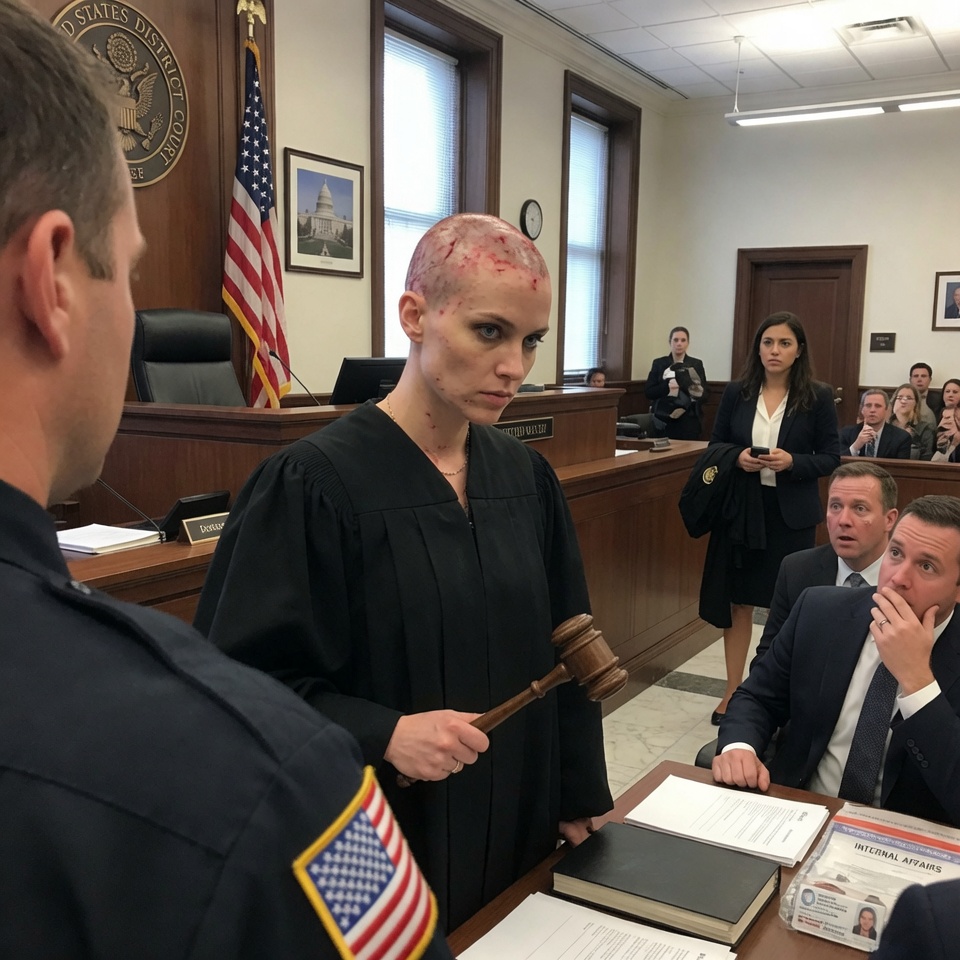
The hearing was held in a windowless room on the fourth floor of the JAG building.
The air was thick with tension. The panel of three officers sat at a long table, their faces unreadable. The investigating officer—a major with a reputation for fairness—sat to the side.
Lieutenant Chen sat next to me, her hands folded in her lap, her face pale.
Colonel Chen sat on the opposite side of the room. He was tall, broad-shouldered, with graying temples and a jaw made of granite. He did not look at me. He looked at his son.
Captain David Chen sat next to him. He was younger, softer, but his eyes were hard.
The proceeding began.
The investigating officer laid out the case against Lieutenant Chen. He presented the evidence. The encrypted messages. The phone logs. The recanted witness statement.
Then he turned to me.
“”Chief Cruz, you have submitted a rebuttal. Please present your findings.””
I stood up.
I walked to the projector screen.
I clicked the remote.
The first image appeared: a timeline of communications.
“”Ladies and gentlemen, the evidence against Lieutenant Chen is built on a single assumption: that she sent these messages. However, a deep forensic analysis of the chain of custody reveals a different story.””
I clicked again.
“”The messages were sent from her device. But the device was not in her possession at the time of transmission. The barracks log shows she signed in her phone at 2100 hours. The messages were sent at 2300 hours. The log is signed by the duty officer. But the duty officer was later pressured to recant his statement.””
“”Who pressured him?”” the panel chair asked.
I looked at Colonel Chen.
“”His commanding officer. Colonel Thomas Chen.””
The room stirred.
“”Furthermore, the device used to send the messages was not the lieutenant’s phone. It was a cloned device. The SIM card was swapped. The original SIM was found in the possession of Captain David Chen.””
I hit play on a video.
It showed Captain Chen entering a storage room at the logistics depot. He was carrying a small bag. He stayed for twenty minutes. He left without the bag.
“”The bag contained a laptop and a SIM card cloner. We recovered the laptop from the storage room. It contained the software used to clone the lieutenant’s phone.””
Captain Chen stood up. “”That’s fabrication! She planted that evidence!””
“”Sit down, Captain,”” the panel chair said.
I clicked the remote again.
“”We also have financial records. Captain Chen has been running a black-market supply ring. He used the proceeds to fund an offshore account. His father, Colonel Chen, was aware of the operation and facilitated the cover-up.””
Colonel Chen stood up. “”This is absurd! I have served this country for twenty-six years! I will not sit here and be accused by a—””
“”Sit down, Colonel,”” the panel chair said, his voice cold. “”Or I will have you removed.””
Colonel Chen sat.
The room was silent.
I looked at Lieutenant Chen. She was crying.
“”The evidence is clear. Lieutenant Sarah Chen is innocent. She was framed by her brother to protect a criminal operation. And her father helped cover it up.””
I turned to the panel.
“”I ask that all charges be dropped. And that Captain David Chen and Colonel Thomas Chen be investigated for conspiracy, fraud, and obstruction of justice.””
The panel chair nodded.
“”We will recess for deliberation.””
The hearing ended.
—
Three hours later, the panel returned.
The charges against Lieutenant Chen were dropped. She was reinstated with full back pay and a formal apology.
Captain David Chen was arrested at the hearing. He was charged with fraud, conspiracy, and making false official statements. He was held without bail.
Colonel Thomas Chen was placed under investigation. His command was suspended pending a full inquiry. The base commander issued a statement saying the Army would not tolerate corruption at any level.
The news spread fast.
The Chen family crumbled.
Lieutenant Chen sat in my borrowed car, staring at the paperwork in her hands. The words were official. She was free.
“”I don’t know how to thank you,”” she whispered.
“”You don’t have to. Just promise me one thing.””
“”Anything.””
“”When a soldier comes to you, alone and afraid, you be their light. You do for them what I did for you.””
She nodded.
“”I will.””
She got out of the car.
And I watched her walk away, her head high, her future wide open.
—
That night, I sat in my hotel room, staring at the ceiling.
My phone buzzed.
A text from an unknown number.
“”You have made powerful enemies tonight, Chief Cruz. But you have also made a powerful friend. Sarah Chen is the daughter of a senator. You may have just earned an ally for life.””
I smiled.
I typed back.
“”I don’t do it for allies. I do it because it’s right.””
The reply came quickly.
“”Then you are the rarest kind of soldier. Sleep well.””
I put down the phone.
And for the first time in months, I slept without nightmares.
I woke to sunlight cutting through the hotel curtain, sharp and golden. For a long moment I just lay there, breathing in the quiet. No nightmares. No cold sweat. Just stillness.
I checked my phone. A text from Sarah Chen.
*””Thank you again. I’ll never forget what you did. My mother wants to meet you. Let me know when you’re free.””*
I stared at the screen. A senator. I was a Chief Warrant Officer. What could she want with me?
I replied: *””I’m heading back to Bragg today. I can stop by tomorrow if it’s important.””*
Her answer came instantly: *””She’ll make time. I’ll send the address.””*
I dressed and packed. The drive to Fort Bragg was four hours of open highway and rolling fields. I used the time to think. The warning call from the night before the Chen hearing still echoed in my mind. *You have made powerful enemies tonight.* But I had also made a powerful friend. And I was learning that friendship was a weapon too.
When I pulled onto base, the gate guard saluted. I returned it, my hand steady. The world looked different now. Clearer.
I parked outside the headquarters building and walked to my office. The hallway smelled like floor wax and stale coffee. My desk phone was blinking with messages. I ignored them and sat down, looking at the picture of my grandmother.
“”Another one saved,”” I whispered.
A knock at the door.
“”Come in.””
Lieutenant Colonel Harris entered. He was compact, shaved head, eyes that missed nothing.
“”Chief Cruz. Good to see you back.””
“”Thank you, sir.””
He closed the door. “”I heard about the Chen case. Impressive work. But I also heard you received a warning.””
I tensed. “”Yes, sir. Anonymous call. Told me to back off.””
“”And you didn’t.””
“”No, sir.””
He nodded slowly. “”I admire your courage. But I need you to be careful. The people you exposed have friends in high places. I’m not saying you did wrong. I’m saying watch your back.””
“”I always do, sir.””
“”Good. Also, you have a visitor tomorrow. Senator Chen’s office called. They want to meet with you at the base visitor center at 0900.””
I blinked. “”Senator Chen? Lieutenant Chen’s mother?””
“”The same. She wants to thank you personally. I suggest you go.””
“”Yes, sir.””
He left. The door clicked shut behind him.
I sat in the silence. A senator. This was new territory.
—
The next morning, I put on my Class A uniform. I checked the mirror: the same face, but different eyes. Harder. More certain. I ran my hand over the rank insignia—two bars now, but soon more. I could feel the momentum building.
I walked to the visitor center, my boots echoing on the linoleum. A woman in a sharp suit was waiting. She introduced herself as an aide and led me to a private conference room.
Senator Eleanor Chen was tall, silver-haired, with a warm smile that didn’t hide the steel underneath. She stood when I entered and extended her hand.
“”Chief Cruz. I am so grateful to meet you.””
I shook her hand. “”Senator. The honor is mine.””
She gestured for me to sit. The aide left, pulling the door closed.
“”I won’t take much of your time. I wanted to thank you personally for what you did for Sarah. She told me everything. You gave her back her life.””
“”She was innocent. I just found the truth.””
“”You found it when no one else would. That takes courage.”” She paused. “”I know about your own history. Your sister. Your parents. I know you understand what it’s like to be betrayed by family.””
I nodded, not trusting my voice.
“”I want to offer you something, Chief. I’m forming a special investigative task force under the Senate Armed Services Committee. We’re going after corruption in the military. People who use their power to cover up crimes. I need someone who knows the system, who has the instincts, and who isn’t afraid to fight.””
She looked at me intently.
“”I want you to lead the investigations. You’ll still be in the Army, but detailed to my committee. You’ll have resources, autonomy, and protection.””
I sat back, my mind racing.
“”Senator, I’m just a Chief Warrant Officer. I don’t have the rank or the political—””
“”You have something more important. You have integrity. And you have a track record. The Chen case proved that.””
I thought about the warning call. The powerful enemies. This would put me directly in their crosshairs.
But it would also let me do what I was meant to do.
“”I need to think about it,”” I said.
“”Of course. Take a week. But Harper—”” she used my first name, “”—the people who are hurting soldiers, who are stealing from the system, they need to be stopped. And I believe you’re the one to do it.””
She stood. We shook hands again.
I walked out of the visitor center in a daze.
—
I took the week. I called Colonel Reed. We sat on her porch, drinking black coffee, watching the sun set over the pines.
“”It’s a once-in-a-lifetime opportunity, Harper. But it’s also a target. You’ll be making enemies at the highest level.””
“”I know.””
“”But you’re not the type to hide. And you’ve already proven you can handle it.””
I looked at her. “”What would my grandmother say?””
Eleanor Reed smiled. “”She’d say, ‘Stop asking questions and start doing. The world waits for no one.’””
I laughed. It felt strange and good.
“”I’ll call the senator tomorrow.””
Reed nodded. “”Good.””
I called the senator’s office the next morning and accepted.
—
The plane ride to Washington was smooth, but my stomach was tight. The city rose up from the Potomac—monuments, traffic, the dome of the Capitol glinting in the afternoon light.
I took a taxi, but I asked the driver to make a detour.
“”Arlington National Cemetery, please.””
He glanced at me in the rearview mirror. “”Visiting someone?””
“”Just paying respects.””
The cemetery was vast. Rows of white stones marching up the hills. I walked until I found the section for women veterans. I knelt at a marker—not my grandmother’s, but a soldier I never knew. Her name was Captain Elise Marchetti. Killed in action, 2005.
I touched the cold stone.
“”I’m here to pick up the fight,”” I whispered. “”For all of us. For the ones who got buried, and the ones who got buried alive.””
I stood, dusted off my uniform, and went to work.
—
The Hart Senate Office Building was all marble and echoing hallways. My office was small—a desk, a filing cabinet, a window that looked out at the Capitol dome. I placed my grandmother’s picture on the corner of the desk.” “An aide handed me my first file. It was thick. The label read: *Operation Night Hawk: Defense Logistics Agency Corruption Investigation.*
I opened it.
The first name on the second page was General Marcus Webb, Deputy Commander of the Defense Logistics Agency. And the third page listed a familiar name: Colonel Thomas Chen.
So it wasn’t over. It was never over.
I read through the night. The evidence was damning: a network of officers diverting high-grade equipment—night vision, comms gear, body armor—through shell companies to private contractors. The trail of money led to offshore accounts. The whistleblower, a major from DLA, had provided emails and financial records.
I was still reading when my office phone rang.
Blocked number.
I picked up.
“”Chief Cruz.””
The voice was male, young, nervous.
“”I’m a friend of Senator Chen’s. I have information that will help you with the Webb case. Meet me at the Lincoln Memorial at midnight. Come alone.””
The line went dead.
I sat back, staring at the phone.
This was happening fast.
I looked at the picture of my grandmother.
“”This is what I signed up for,”” I whispered.
I grabbed my coat.
—
The night air was cold and damp. I walked along the Reflecting Pool, the water black and still. The Lincoln Memorial glowed white in the floodlights, its columns throwing long shadows.
I checked my watch: 11:57 PM.
I slowed my pace, scanning the shadows. A figure stood near the base of the statue, half-hidden by a pillar.
As I approached, he stepped forward. He was young, maybe twenty-five, with a pinched face and darting eyes.
“”Chief Cruz. I’m Daniel, Senator Chen’s aide. We spoke earlier.””
“”You’re the one who called?””
“”Yes. I’m sorry for the secrecy. But General Webb’s network is extensive. They monitor phones. Even the senator’s office isn’t safe.””
He handed me a small thumb drive.
“”This contains the full evidence. Emails, financial records, voice recordings. It’s enough to bring down Webb and everyone connected to him.””
I took it. “”Why me? Why not go to the FBI?””
“”Because the FBI has people in Webb’s pocket. We need someone inside the system who can move fast and stay quiet. The senator trusts you.””
He looked around nervously.
“”I have to go. If they find out I gave you this—””
“”I understand. Thank you.””
He nodded and disappeared into the darkness between the pillars.
I stood alone at the memorial, the thumb drive cold in my palm. The wind picked up, rustling the leaves. I felt exposed, a target in the open.
I walked back to my car, my hand resting on the SIG Sauer at my hip. No one followed.
—
I worked through the night in my small office. The data on the drive was a goldmine: emails between Webb and a contractor named Thomas Rourke, detailing shipments of equipment. Financial statements showing payments to offshore accounts. Recordings of phone calls where Webb referred to the soldiers as “”inventory.””
By dawn, I had a clear picture. Webb was the center. He had a network of at least a dozen officers, including Colonel Chen, who facilitated the theft. The money was laundered through a shell company in the Caymans.
I printed a summary and locked it in the safe.
I needed to inform Senator Chen, but not over the phone.
I drove to her home in Georgetown. The streets were quiet, the trees bare. A security guard checked my ID before letting me through the gate.
Senator Chen met me in her study, a cozy room lined with books. She was already dressed, coffee in hand.
“”I received the evidence from Daniel. It’s more than we hoped for.””
“”It also makes you a target, Harper. Webb is dangerous. He has friends in the Pentagon.””
“”I know. But I’ve faced down my own family. I can face him.””
She smiled. “”That’s why I chose you.””
We spent the morning planning. We would present the evidence to a handpicked panel of investigators—a federal judge, a JAG colonel, and two civilian inspectors—bypassing the normal chain of command.
“”I’ll set up the hearing for three days from now,”” she said. “”Can you have the case ready?””
“”I can have it ready by tomorrow.””
“”Good. Stay safe until then.””
I returned to my office, feeling a grim satisfaction.
But when I reached the door, my heart stopped.
The lock was broken. The door stood ajar.
I pushed it open slowly, my hand on my weapon.
The room was ransacked. Papers everywhere. My desk drawers pulled out. My laptop was gone.
The safe was open.
The summary was gone.
I stood in the wreckage, breathing hard. They had found me.
But they didn’t know that I had already made copies. I had scanned everything to a secure cloud drive before printing.
I almost laughed.
I sat down at the desk, still cluttered with scattered papers, and pulled out my encrypted tablet. I accessed the cloud drive. The files were there, untouched.
I sent the links to Senator Chen and the federal judge.
Then I opened a new email and typed a message to the CID office at Fort Bragg.
*””I need a secure facility to continue my investigation. My current office has been compromised.””*
I hit send.
I looked at the mess around me. They had tried to stop me. But they had only made me more determined.
I thought of Brianna, standing in that gala, thinking she had won.
I thought of my father, calling me dead to him.
I thought of my mother, choosing the golden child over the truth.
And I thought of my grandmother, who had seen it all coming.
I stood up.
This was my fight now. And I was holding all the cards.
I walked out of the ruined office, my head high.
Tomorrow, I would start again. Stronger. Smarter.
And I would bring them all down.”