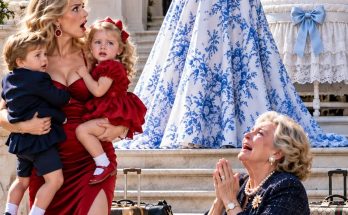
My Future Mother-in-Law Forced My Parents To Serve Guests At My Own Wedding Because She Thought They Didn’t Belong There — But When I Revealed Who I Really Was, 500 Elite Guests Realized They Had Judged The Wrong Family

My Future Mother-in-Law Forced My Parents To Serve Guests At My Own Wedding Because She Thought They Didn’t Belong There — But When I Revealed Who I Really Was, 500 Elite Guests Realized They Had Judged The Wrong Family
The Wedding Where My Parents Were Sent to the Kitchen
I never told my fiancé’s family the truth about who I was.
To them, I was just a quiet administrative assistant named Harper Whitfield, a woman who dressed simply, spoke politely, and had somehow managed to win the heart of a man from one of Boston’s proudest old-money families.
They thought I was lucky.
They thought I should be grateful.
Most of all, they thought I had no power.
For almost a year, I let them believe it.
I did not tell them that I was the founder and majority owner of Asterion Labs, one of the fastest-growing technology companies in the country. I did not tell them that my company had offices in Boston, Seattle, San Francisco, London, and Toronto. I did not tell them that my name had been printed in business magazines they kept on their coffee tables to impress guests.
I kept that part of myself hidden for one reason.
I wanted to know whether Graham Ashford loved me as a person, not as a headline.
I wanted to believe that his family could see my heart before they saw my bank account.
By the night before our wedding, I already knew I had been wrong.
The Dinner Before Everything Changed
The rehearsal dinner was held at a private club overlooking Boston Harbor.
Crystal glasses lined the tables. White flowers stood in tall arrangements. Soft piano music floated through the room while guests in designer dresses and tailored suits smiled as if kindness were part of the dress code.
My parents sat beside me.
My father, Calvin Whitfield, had spent most of his life repairing heating systems in old apartment buildings. His hands were wide, rough, and permanently marked by years of honest work. My mother, Ruth, had cleaned offices after midnight so I could afford tutoring, college applications, and my first used laptop.
They were not wealthy people.
But they were the reason I became everything I was.
Across from us, Graham’s mother, Eleanor Ashford, lifted her wineglass and gave my father a sweet smile that did not reach her eyes.
“Calvin, don’t worry too much about the silverware. No one expects you to know all the rules at a table like this.”
A few people laughed softly.
My father looked down at the place setting, embarrassed, then smiled in the gentle way he always did when someone tried to make him feel small.
“That’s kind of you, ma’am. Ruth and I are just happy to be here for Harper.”
My chest tightened.
I wanted to stand up. I wanted to tell that room that the man they were mocking had worked double shifts so I could build a future. I wanted to tell Eleanor Ashford that every diamond on her wrist was worth less than one hour of my father’s patience.
But Dad placed his hand over mine beneath the table.
Not here, his touch seemed to say.
So I stayed quiet.
Then Graham laughed.
Not loudly. Not cruelly enough for strangers to notice. But enough.
“Mom, be nice,” he said, still smiling. “They’re just not used to this world yet.”
This world.
As if my parents had wandered into a museum where they did not belong.
I looked at him, waiting for something more. A real apology. A clear defense. A sign that the man I was supposed to marry understood what had just happened.
But Graham only squeezed my shoulder and returned to his wine.
That was the first crack.
The second came the next morning.
The Service Hallway
Our wedding was set at a historic estate outside Newport, Rhode Island.
The lawns were perfect. The white chairs were arranged in shining rows. Five hundred guests had arrived to witness what Eleanor kept calling “the joining of two respected families.”
She never said equal families.
I was upstairs in the bridal suite wearing a hand-embroidered wedding gown when my phone buzzed.
It was a message from Miles, my head of private security and one of the few people who knew the full truth about my identity.
“Go to the service hallway. Come alone.”
A cold feeling moved through me.
I lifted the skirt of my dress and walked down the back staircase. The farther I went, the less I smelled flowers and perfume. Soon the air changed to steam, dish soap, hot food, and stress.
When I pushed open the kitchen door, my whole body went still.
My mother was standing beside an industrial sink wearing a black server’s apron. Her hands were red from hot water as she washed champagne glasses.
My father was carrying a heavy crate of ice. His bad knee shook with every step.
For a moment, I could not speak.
“Mom?” I whispered.
She turned quickly, and the shame in her eyes broke something inside me.
Before she could answer, Graham stepped into the kitchen, adjusting the cuff of his sleeve as if nothing was wrong.
“Harper, sweetheart, don’t overreact.”
I slowly turned to him.
“Why are my parents working in the kitchen at my wedding?”

The Wedding Where My Parents Were Sent to the Kitchen

I never told my fiancé’s family the truth about who I was.

To them, I was just a quiet administrative assistant named Harper Whitfield, a woman who dressed simply, spoke politely, and had somehow managed to win the heart of a man from one of Boston’s proudest old-money families.

They thought I was lucky.

They thought I should be grateful.

Most of all, they thought I had no power.

For almost a year, I let them believe it.

Advertisements

I did not tell them that I was the founder and majority owner of Asterion Labs, one of the fastest-growing technology companies in the country. I did not tell them that my company had offices in Boston, Seattle, San Francisco, London, and Toronto. I did not tell them that my name had been printed in business magazines they kept on their coffee tables to impress guests.

I kept that part of myself hidden for one reason.

I wanted to know whether Graham Ashford loved me as a person, not as a headline.

I wanted to believe that his family could see my heart before they saw my bank account.

By the night before our wedding, I already knew I had been wrong.

The Dinner Before Everything Changed

The rehearsal dinner was held at a private club overlooking Boston Harbor.

Crystal glasses lined the tables. White flowers stood in tall arrangements. Soft piano music floated through the room while guests in designer dresses and tailored suits smiled as if kindness were part of the dress code.

My parents sat beside me.

My father, Calvin Whitfield, had spent most of his life repairing heating systems in old apartment buildings. His hands were wide, rough, and permanently marked by years of honest work. My mother, Ruth, had cleaned offices after midnight so I could afford tutoring, college applications, and my first used laptop.

They were not wealthy people.

But they were the reason I became everything I was.

Across from us, Graham’s mother, Eleanor Ashford, lifted her wineglass and gave my father a sweet smile that did not reach her eyes.

“Calvin, don’t worry too much about the silverware. No one expects you to know all the rules at a table like this.”

A few people laughed softly.

My father looked down at the place setting, embarrassed, then smiled in the gentle way he always did when someone tried to make him feel small.

“That’s kind of you, ma’am. Ruth and I are just happy to be here for Harper.”

My chest tightened.

I wanted to stand up. I wanted to tell that room that the man they were mocking had worked double shifts so I could build a future. I wanted to tell Eleanor Ashford that every diamond on her wrist was worth less than one hour of my father’s patience.

But Dad placed his hand over mine beneath the table.

Not here, his touch seemed to say.

So I stayed quiet.

Then Graham laughed.

Not loudly. Not cruelly enough for strangers to notice. But enough.

“Mom, be nice,” he said, still smiling. “They’re just not used to this world yet.”

This world.

As if my parents had wandered into a museum where they did not belong.

I looked at him, waiting for something more. A real apology. A clear defense. A sign that the man I was supposed to marry understood what had just happened.

But Graham only squeezed my shoulder and returned to his wine.

That was the first crack.

The second came the next morning.

The Service Hallway

Our wedding was set at a historic estate outside Newport, Rhode Island.

The lawns were perfect. The white chairs were arranged in shining rows. Five hundred guests had arrived to witness what Eleanor kept calling “the joining of two respected families.”

She never said equal families.

I was upstairs in the bridal suite wearing a hand-embroidered wedding gown when my phone buzzed.

It was a message from Miles, my head of private security and one of the few people who knew the full truth about my identity.

“Go to the service hallway. Come alone.”

A cold feeling moved through me.

I lifted the skirt of my dress and walked down the back staircase. The farther I went, the less I smelled flowers and perfume. Soon the air changed to steam, dish soap, hot food, and stress.

When I pushed open the kitchen door, my whole body went still.

My mother was standing beside an industrial sink wearing a black server’s apron. Her hands were red from hot water as she washed champagne glasses.

My father was carrying a heavy crate of ice. His bad knee shook with every step.

For a moment, I could not speak.

“Mom?” I whispered.

She turned quickly, and the shame in her eyes broke something inside me.

Before she could answer, Graham stepped into the kitchen, adjusting the cuff of his sleeve as if nothing was wrong.

“Harper, sweetheart, don’t overreact.”

I slowly turned to him.

“Why are my parents working in the kitchen at my wedding?”

Graham sighed, like I was making a scene over a seating chart.

“My mother thought they might feel uncomfortable at the main tables. You know, with investors, board members, senators, people like that. Your parents said they wanted to help. Honestly, back here they look more natural.”

My hand lifted before I thought.

But my mother caught my wrist.

Her fingers were wet and shaking.

“We agreed to it, honey,” she whispered. “We don’t want to hurt your future.”

That sentence nearly brought me to my knees.

My future.

They had been humiliated, and still they were trying to protect me.

I looked at my mother’s apron. I looked at my father’s tired face. Then I looked at Graham, who still believed this was something I would forgive because women like me were supposed to feel lucky.

I lowered my hand.

My voice became calm.

Too calm.

“You’re right, Graham.”

He smiled, thinking he had won.

I looked straight into his eyes.

“My parents should not be hidden back here. Let’s go to the ballroom. It’s time for the toast.”

The Toast No One Expected

The ballroom glittered under chandeliers.

Guests sat between white roses, gold-rimmed plates, and glasses filled with champagne. On the large screens behind the stage, photos of Graham and me played in a soft slideshow. Trips he had bragged about paying for. Dinners he claimed were his treat. Vacations I had quietly covered without saying a word.

Eleanor sat at the center table, dressed in silver, watching the room like a queen.

Graham walked beside me, still confident.

“Say something gracious,” he murmured. “My mother worked very hard on this wedding. Please don’t embarrass her.”

I did not answer.

I climbed the stage steps slowly, the train of my gown dragging behind me.

Miles stood near the sound team. He gave me one small nod.

The microphone would stay on.

The screens would work.

I took a breath and smiled at the crowd.

“Thank you all for being here today.”

The room quieted.

“A wedding is supposed to be about love, family, respect, and truth. So before I make any promises, I want to thank the Ashford family for showing me their truth before I made the biggest mistake of my life.”

Eleanor smiled at first, thinking I was praising her.

Then I turned toward the back of the room.

“Mom. Dad. Please come up here.”

The service doors opened.

My parents stood there in black aprons.

Advertisements

The entire ballroom shifted.

Whispers moved from table to table. People turned in their chairs. A few guests looked away, already understanding more than they wanted to.

My mother shook her head, but I reached out my hand.

“Please. You belong beside me.”

Slowly, my parents walked through the room.

Past wealthy guests.

Past people who had accepted champagne from their hands without asking why the bride’s parents were serving it.

When they reached the stage, I took my mother’s hand first.

“A few minutes ago,” I said into the microphone, “I found my mother washing glasses and my father carrying ice in the kitchen. Not because they work here. Not because they asked for money. But because my fiancé’s family decided they were not presentable enough to sit with the guests.”

The silence turned heavy.

Graham stood up.

“Harper, stop.”

I kept going.

“My fiancé told me they looked more natural back there.”

Gasps moved through the room.

Eleanor rose from her chair.

“This is inappropriate. Step down from that stage right now.”

I finally looked at her.

“No, Eleanor. What was inappropriate was putting an apron on my mother at her own daughter’s wedding.”

The Truth on the Screens

Graham rushed toward the stage.

“Harper, you’re upset. We can talk about this privately.”

I gave him a small, sad smile.

“Privately? Like your family privately discussed the emergency financing you failed to secure last month?”

His face changed.

Eleanor froze.

Behind me, the screens went black.

Then new documents appeared.

Financial reports. Loan notices. Properties used as collateral. Business records. Quietly hidden debts. A restructuring plan the Ashfords had been trying to bury for months.

The ballroom erupted into whispers.

“The Ashford family has spent the last year pretending to be stronger than they are,” I said. “Their company is unstable. Their properties are overleveraged. Their accounts are under review. And this wedding was never just about love.”

Graham’s voice dropped.

“Do not do this.”

I lifted a folder from the podium.

“It was a strategy.”

Another document appeared on the screen.

The prenuptial agreement Graham had urged me to sign that very morning.

“This agreement would have given Graham control over a portion of my future professional earnings after marriage. He believed I was an assistant with no legal team, no leverage, and no understanding of what I was signing.”

Eleanor snapped at the sound booth.

“Turn it off.”

Nothing turned off.

I looked out at the room.

“What the Ashford family did not know is that forty-eight hours ago, my company purchased the primary debt attached to Ashford Holdings.”

The next slide appeared.

Asterion Labs.

My signature.

Harper Whitfield.

Founder and CEO.

For the first time that day, Graham looked truly afraid.

“No,” he whispered.

I removed my engagement ring.

“Yes.”

The Woman They Never Saw

The room stared at the screen.

My company profile appeared next. Interviews. Offices. Partnerships. Market valuation. A photograph of me standing at the opening of our Seattle headquarters.

Eleanor’s face turned pale.

Graham looked at me like I had become a stranger.

“You told me you were an assistant.”

“No,” I said. “You decided that was all I could be.”

Phones began rising around the room.

People were recording now.

Eleanor tried to laugh.

“This is absurd. A woman like you could not possibly control our debt.”

“I do not control your company,” I said. “I control what your company owes. And that is much worse for you.”

A lawyer from my team stepped beside the stage with a folder in his hands.

“As of this morning, Asterion Labs is the primary creditor of Ashford Holdings. The grace period ends today. Tomorrow morning, our legal team will begin the formal process allowed under the agreements your family signed.”

Eleanor gripped the back of her chair.

“You cannot do that in my family’s estate.”

I looked around the ballroom.

The flowers. The chandeliers. The polished floors. The room where my parents had been treated like they were invisible.

“This estate is part of the collateral.”

No one spoke.

Graham climbed the stage steps.

“Harper, please. I love you.”

For the first time, my voice shook.

“No, Graham. You loved feeling above me. You loved thinking you had rescued a woman who should be grateful. You loved my simple dresses because they made you feel generous. You loved watching your mother test me because you thought I had nowhere else to go.”

He shook his head.

“That isn’t true.”

I pointed gently toward my parents.

“Then explain why my mother was washing glasses at my wedding. Explain why my father was carrying ice on a bad knee while your guests toasted the joining of two families.”

He had no answer.

The Ring in the Glass

I stepped toward my parents.
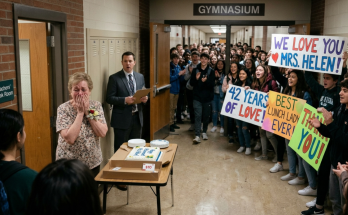
Carefully, I untied my mother’s apron and let it fall to the floor.

Then I untied my father’s.

“These do not belong to you,” I said softly. “You have worked enough for one lifetime. No one hides you in a kitchen so other people can feel important.”

My mother began to cry.

My father looked down, but this time it was not shame. It was the kind of emotion a strong man feels when someone finally says the words he never asked for.

I walked to Eleanor’s table.

Advertisements

The engagement ring rested in my palm, large and bright and empty.

“This ring,” I said, “was charged to a corporate account that was already past its limit. Even the symbol of this promise was borrowed.”

Then I dropped it into Eleanor’s champagne glass.

The small sound carried through the room.

Eleanor trembled with anger.

“You will regret this. People like us are not humiliated without consequences.”

I leaned slightly closer.

“You humiliated yourselves when you believed a person’s worth depended on where you allowed them to sit.”

Graham fell to his knees near the stage.

“Harper, please. We can fix this. I will apologize to your parents. My mother will apologize. We can still get married.”

For one painful second, I looked at him and remembered the man I had hoped he was.

Then my mother squeezed my hand.

And I remembered the kitchen.

The hot water.

Her red hands.

Her whisper: We don’t want to hurt your future.

I looked back at Graham.

“My future is not ruined because I lost you. It would have been ruined if I married you.”

His voice cracked.

“If I had known who you really were—”

I interrupted him.

“Exactly. If you had known, you would have pretended to respect us. That does not make you kind. It makes you careful.”

Walking Out With My Parents

I took my father’s hand in one hand and my mother’s in the other.

Together, we walked down from the stage.

Guests moved out of our way.

Some lowered their phones, ashamed. Others kept recording, already knowing that this wedding would be talked about long after the flowers died.

At the main doors, Graham ran after me and caught the train of my dress.

“Harper, please. Have mercy.”

I stopped.

I did not turn around right away.

The afternoon light poured through the open doors. My parents stood beside me, no longer hidden, no longer serving, no longer being asked to shrink.

Then I looked back at him.

“Mercy is something you ask from someone who still owes you something.”

I gently pulled the fabric free.

“I owe you nothing.”

A small piece of lace tore in his hand.

He stayed on the floor holding it while I walked out with my parents.

Outside, the air smelled like rain and ocean wind.

My father tried to speak, but his voice broke.

“Harper… why didn’t you tell us how successful you were?”

That was the moment my strength finally gave way.

I hugged both of them in the driveway, my wedding dress stained at the hem, my makeup no longer perfect, my heart both broken and free.

“Because I was scared,” I admitted. “I was scared people would only love me for what I had. I thought hiding it would protect me. But by hiding, I left you unprotected. I am so sorry.”

My mother held my face in her hands.

“No, baby. You did not fail us. They showed who they were. And today, you showed who you are.”

The Table They Always Deserved

A week later, the Ashford family’s troubles were everywhere.

Their company lost major partners. Their creditors moved quickly. The estate entered a legal process. People who once smiled beside Eleanor suddenly stopped answering her calls.

Graham called me again and again.

I did not answer.

But I did not celebrate his fall.

Justice does not always feel like victory.

Sometimes it feels like finally breathing clean air.

Months later, I launched the Calvin and Ruth Whitfield Foundation, created to help the children of mechanics, cleaners, servers, drivers, single parents, and working families attend college without carrying the weight of impossible debt.

The first gala was held in a museum in downtown Boston.

That night, my father wore a custom navy suit. My mother wore a deep blue dress and walked beside me while students, teachers, founders, and reporters stood to applaud them.

No one sent them to the kitchen.

No one asked whether they knew which fork to use.

No one looked through them.

When I took the microphone, my voice was calm.

“My parents taught me that dignity is not bought, inherited, or displayed. It is built. It is protected. And when someone tries to take it from the people you love, silence can become its own kind of betrayal.”

My father wiped his eyes.

My mother held his hand.

In the front rows, young people from working families stood and clapped. Some of them were crying. Some of their parents were, too.

And for the first time in a long time, I understood what my success was really for.

I had not built my company so I could be accepted at powerful tables.

I had built it so people like my parents would never again be made to feel small.

That night, I stood in the center of the stage and hugged the two people who had given me everything before I had anything.

Because my parents never belonged in the back of a kitchen.

They belonged in the front of the room.

Where everyone could finally see who they truly were.

Sometimes the people who look quiet are not weak; they are simply waiting for the right moment to speak with truth, dignity, and enough strength to change the entire room.

Never mistake someone’s simple clothes, gentle manners, or humble family for a lack of power, because the strongest people are often the ones who never need to announce themselves.

A person who only respects you after learning what you own never respected you at all; they only respected the benefits they thought they could reach through you.

The way someone treats your parents, your children, your past, and the people who helped build you says more about their character than any romantic promise ever could.

Love should never ask you to hide the people who raised you, soften their pain, or accept their humiliation just to protect a future that was never truly yours.

A family’s worth is not measured by wealth, old names, beautiful houses, or expensive tables, but by how they treat the people who have nothing to offer except honesty.

When someone tries to make your loved ones feel small, staying silent may feel peaceful for a moment, but speaking up may be the only way to protect what truly matters.

Real success is not about proving arrogant people wrong; it is about creating a life where the people who sacrificed for you can finally stand without shame.

The most powerful revenge is not cruelty, noise, or bitterness, but walking away with your dignity intact and using your strength to lift others who were once overlooked.

Some doors close in front of everyone, but when they close because you chose self-respect over humiliation, they become the beginning of a much better life.

Leave a Reply

Your email address will not be published. Required fields are marked *