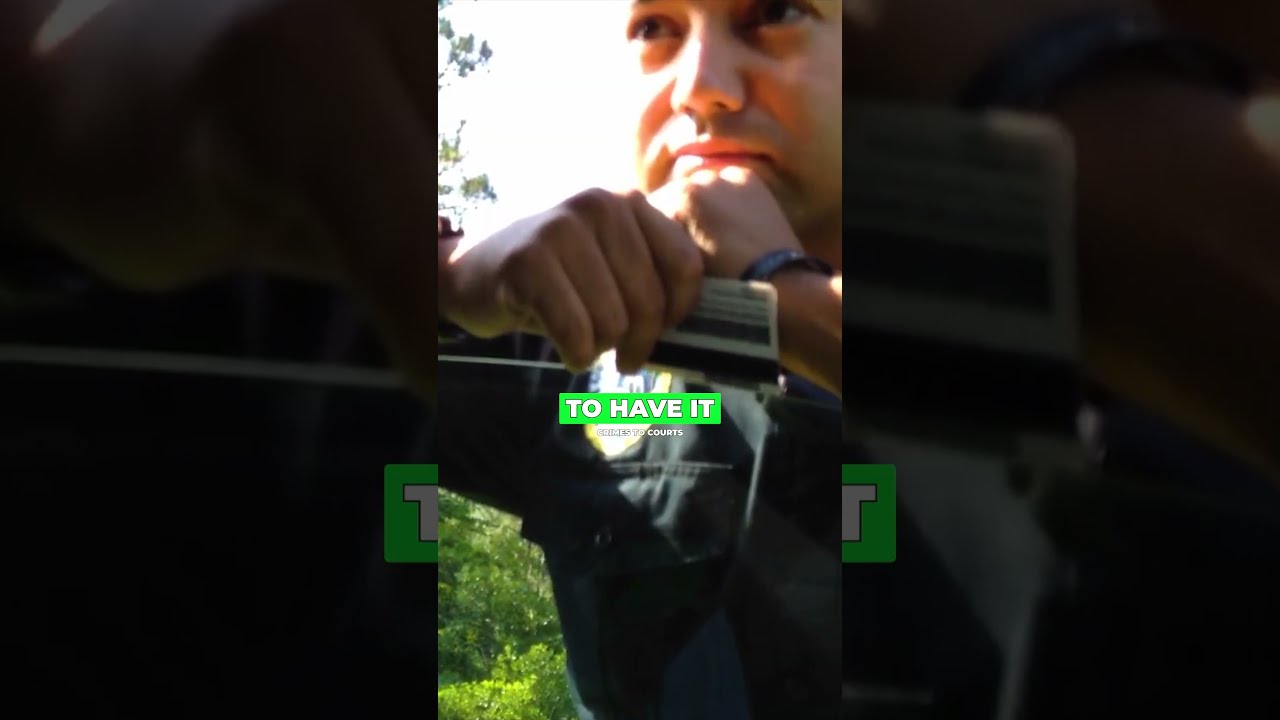
A brief roadside encounter in Florida escalated into a First Amendment standoff after a police officer repeatedly demanded that a motorist stop recording their interaction.
The footage, published by the channel Crimes to Courts, shows the officer insisting the citizen power down his phone while the citizen calmly refused, citing his constitutional rights throughout the exchange.
The incident centers on a man identified in the video as Mr. Gray, who was stopped by a Florida law enforcement officer under circumstances not fully detailed in the clip.
From the moment the officer approached, the recording device was visible and running, prompting the officer to make his objection known almost immediately rather than proceeding with the standard traffic stop.
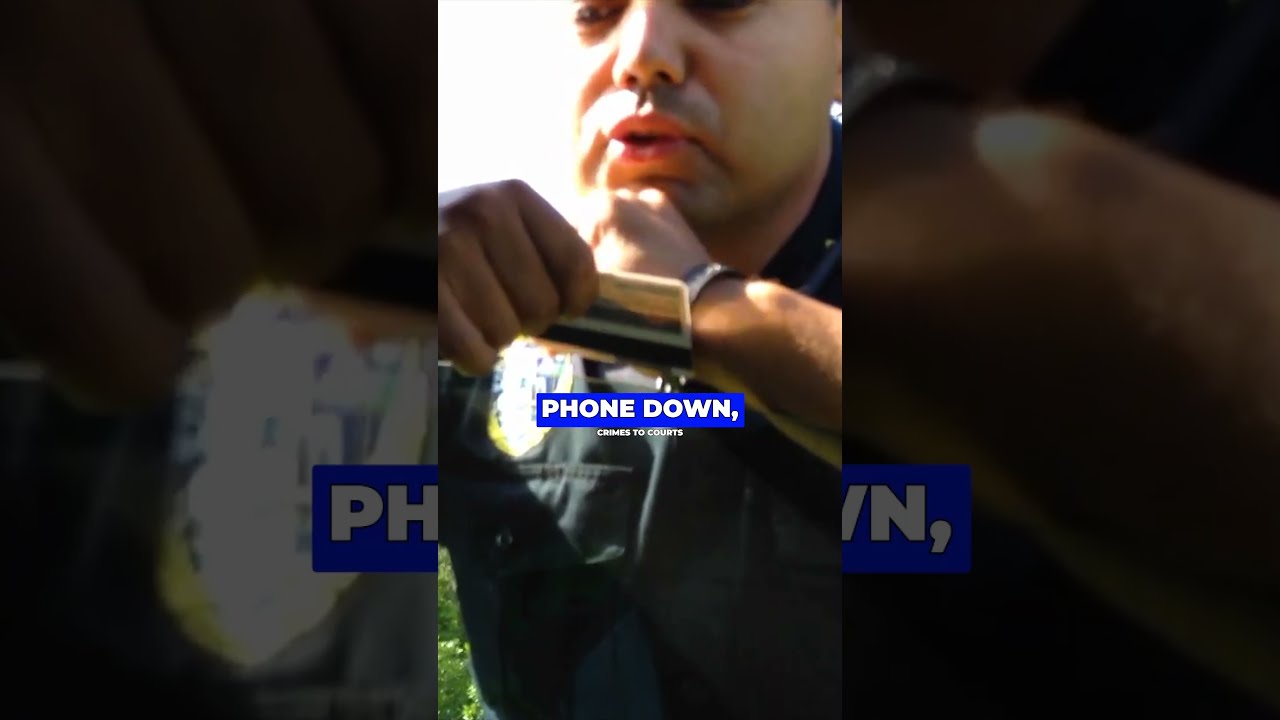
According to the footage, the officer asked Mr. Gray on multiple occasions to place his phone face-down and cease recording. Mr. Gray declined each time, stating clearly that he preferred to keep the device active and that he had informed the officer of the recording at the outset of the stop. The citizen’s demeanor remained measured and non-confrontational throughout the exchange.
Mr. Gray argued that recording public officials in the performance of their duties constitutes protected activity under the First Amendment, citing both audio and video rights.
He maintained this position consistently, repeating his understanding of citizen recording rights each time the officer renewed his request. Legal precedent in the Eleventh Circuit, which covers Florida, broadly supports the right to record police in public spaces.
The officer did not dispute Mr. Gray’s legal arguments in substantive terms. Instead, he continued to press for compliance, at one point indicating he had been prepared to share information with Mr.
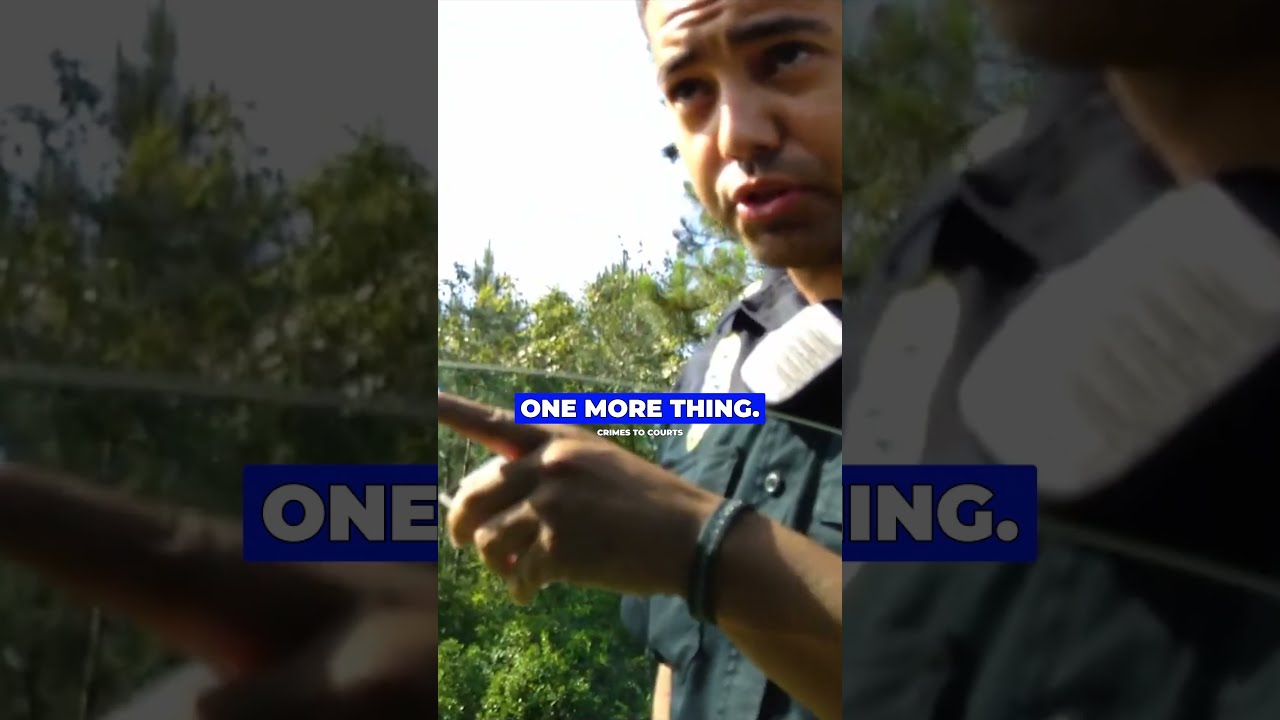
Gray but would only do so once the phone was lowered. The exchange created a circular impasse, with the officer conditioning further communication on the cessation of recording.
When Mr. Gray asked whether he was being detained or was free to leave, the officer stated he was free to go. However, the officer had retained Mr. Gray’s identification document at that point, making departure a practical impossibility.
Shortly after, the officer indicated he had recalled an additional matter to check, effectively extending the stop without providing a specific legal basis for doing so in the footage available.
Mr. Gray noted aloud for the camera that the continued detention appeared contingent on whether he turned off the recording. He stated plainly that he had no intention of doing so.
The officer did not formally charge Mr. Gray with any offense during the clip, nor did the footage show the stop escalating to a physical confrontation.
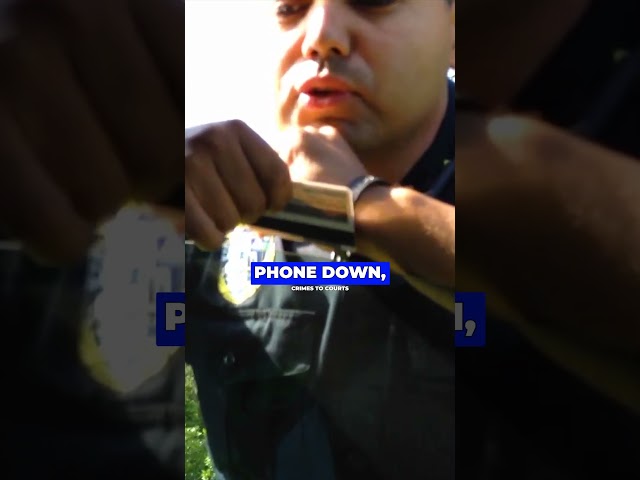
The encounter raises procedural questions about the conduct of the stop. Under established Florida law and federal constitutional doctrine, citizens retain the right to record police officers performing public duties, provided the recording does not physically interfere with those duties. Courts have consistently found that the mere presence of a camera does not constitute interference.
The officer’s decision to tie the return of Mr. Gray’s identification to an unrelated matter that surfaced only after the citizen declined to stop recording drew particular scrutiny. Extending a traffic stop beyond its initial purpose requires independent legal justification under Fourth Amendment standards established in Rodriguez v. United States, a 2015 Supreme Court ruling.
The case illustrates a recurring pattern in civil liberties litigation involving police and citizen recording. Departments across the country have faced legal liability when officers attempt to suppress documentation of their conduct during public interactions, and Florida jurisdictions have not been immune to such claims.
For Mr. Gray, the immediate consequence was an extended roadside stop under circumstances he characterized as retaliatory. The broader implications touch on departmental training standards and accountability mechanisms for officers who contest citizens’ recording rights in the field. Watch the full encounter below.
▶ Watch the full video below