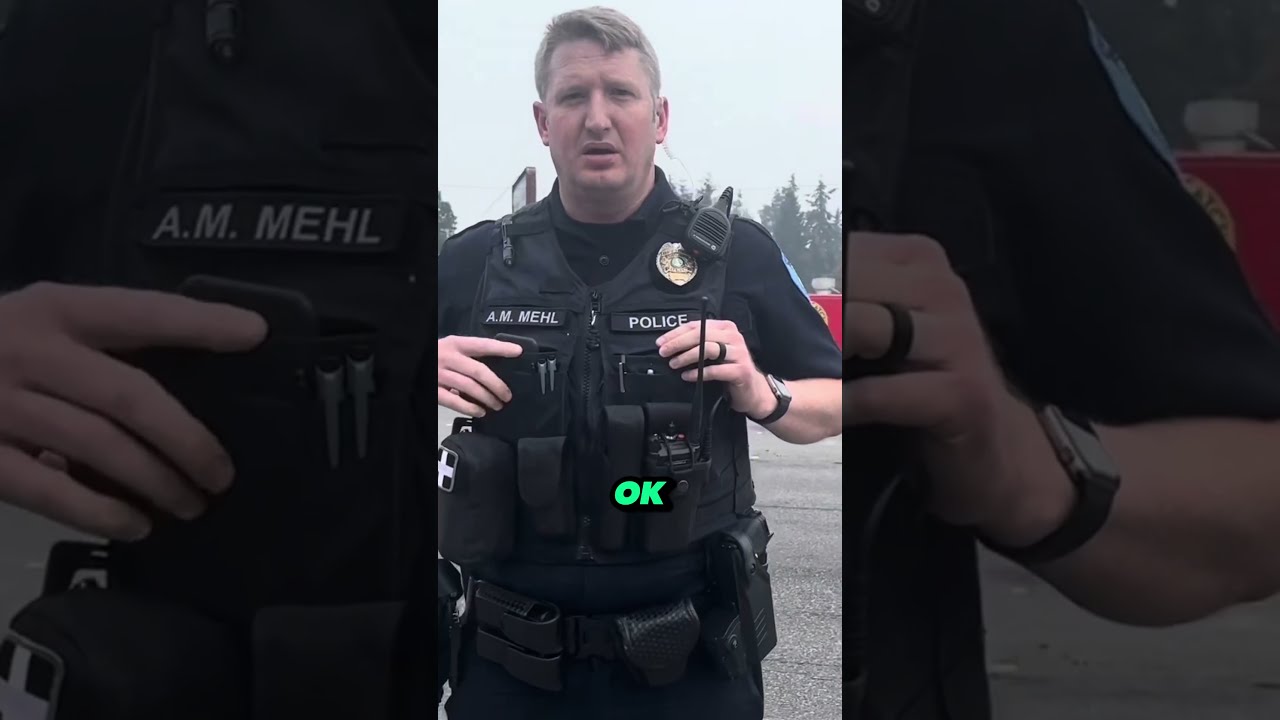
A roadside detention captured on video has drawn renewed attention to the legal boundaries of investigative stops, after a man matching the description of a robbery suspect refused to identify himself, challenged the legality of his detention, and warned the arresting officer of serious professional consequences.
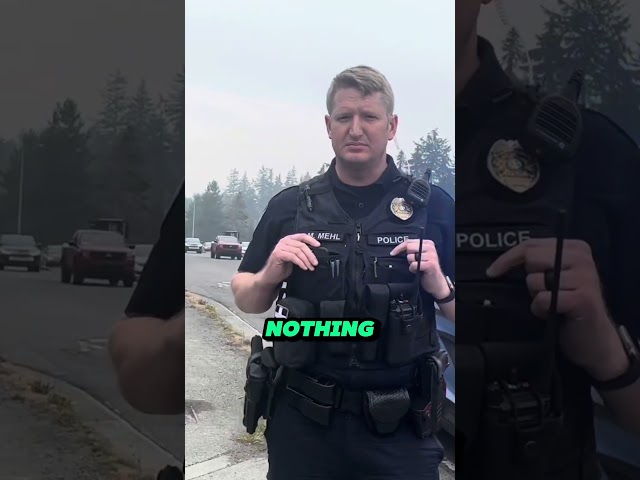
The incident, posted to the Lawful Refusal channel on YouTube, took place near a Safeway grocery store location and involved a uniformed officer who pulled over a man on suspicion of theft, citing a physical description provided by witnesses or store personnel.
The detained man, identified by the officer as Glenn, was stopped after officers received a report of a suspect in the area. The officer stated that the individual matched the physical description of a person involved in the alleged theft, citing specific clothing details including a gray Seahawks sweatshirt and a white beanie hat.
The man contested the description immediately, questioning whether the officer had the correct individual and challenging the officer to review available camera footage. He declined to answer any questions and stated clearly that he considered the detention unlawful.
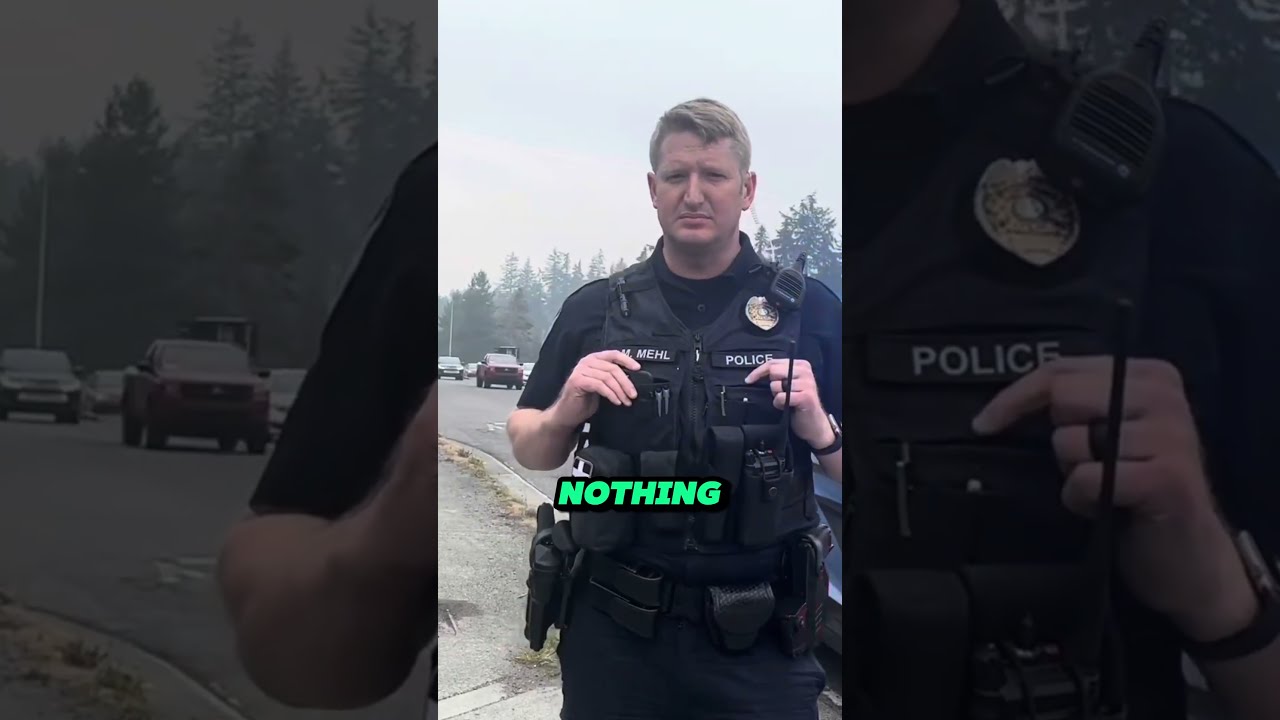
From the outset of the stop, the detained man declined to provide his name or respond to questions, informing the officer that he would not cooperate with any inquiry. He repeatedly invoked his right to silence and demanded the presence of a supervising sergeant, stating the officer would face professional and legal consequences.
The officer acknowledged the request and indicated a sergeant was en route. Despite escalating verbal exchanges, the officer maintained a measured position, telling the man they would work through the situation once supervisors arrived and the Safeway footage could be reviewed.
The clothing discrepancy became a focal point of the encounter. The officer had described the suspect as wearing a gray Seahawks sweatshirt and a white beanie hat, while the detained man pointed out that his own clothing — white in color — did not match that description. The officer subsequently acknowledged that the suspect in the available image was wearing white clothing.
The shift in the clothing detail appeared to cast doubt on the basis for the stop. The officer, upon examining the visual reference more closely, indicated that the picture showed the suspect in white clothing, which aligned with what the detained man was actually wearing at the time, rather than the Seahawks sweatshirt initially cited.
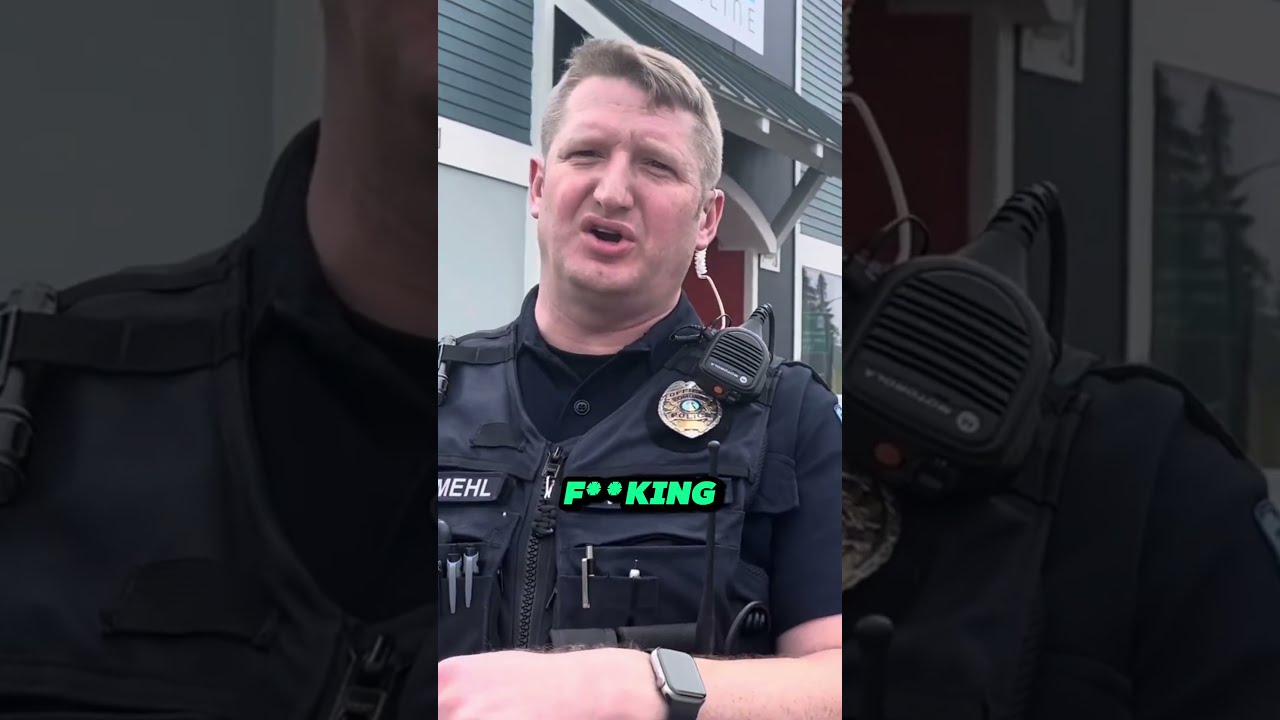
As the exchange continued, the detained man introduced a separate personal grievance, referencing a prior encounter involving the officer and a workplace complaint. The officer did not dispute the history. The conversation moved away from the theft allegation and into a contentious personal back-and-forth, with both parties exchanging sharp remarks.
The detained man repeatedly demanded the sergeant’s arrival, challenged the officer’s conduct verbally, and warned that the Federal Bureau of Investigation would be contacted. The officer did not escalate physically and continued to request the man sit and remain calm while the stop was processed.
The video does not capture a formal resolution, a ruling from a supervising officer, or a confirmed determination that the man was either released or placed under arrest.
What the footage does document is the collapse of the initial clothing-based identification, with the officer appearing to acknowledge mid-stop that the detained man may not have been the suspect.
Legal observers have noted that under Fourth Amendment standards, a lawful investigative detention requires reasonable articulable suspicion that the specific individual stopped is connected to a crime. A clothing description that does not match the detainee at the time of the stop can be a significant factor in determining whether that threshold was met.
The detained man’s refusal to identify himself also raises questions about applicable state law. In states with stop-and-identify statutes, individuals who are lawfully detained may be required to provide their name.
Whether the initial detention met the legal standard for such a requirement depends on the sufficiency of the officer’s suspicion at the time of the stop.
The encounter illustrates the procedural friction that can arise when a physical description fails to clearly match a detained individual, and when the person stopped has prior knowledge of their legal rights during a detention. The outcome of any formal complaint or subsequent review was not addressed in the posted footage.
Watch the full encounter in the video below.
▶ Watch the full video below