
Part 5
My husband let his mistress sit in my chair at my own book signing.
Not beside the table.
Not near the table.
In my chair.
The one with the brass nameplate the bookstore had polished that morning. The one positioned beneath the chandelier, behind the tower of hardcovers with my face on the dust jacket, under a banner that read EVELYN WHITAKER — THE GILDED WIFE.
Sloane Sterling crossed her legs like she had rehearsed the insult in a mirror.
She was twenty-seven, blond in the expensive, glassy way women become when men pay for their softness. White silk blouse. Red soles. One hand resting on the stack of books I had spent three years bleeding into, as if they were handbags in a closet Preston had promised her.
The store manager, Jonah, looked at me with panic in his eyes.
Sloane smiled at him and said, “Preston said I’m part of the brand now.”
My husband stood in the aisle between memoir and literary fiction.
Preston Whitaker.
Golden boy of Manhattan publishing. My husband of eight years. The man who used to kiss ink off my fingers at two in the morning and tell me my sentences would outlive all the men who underestimated me.
He did not look ashamed.
He smiled.
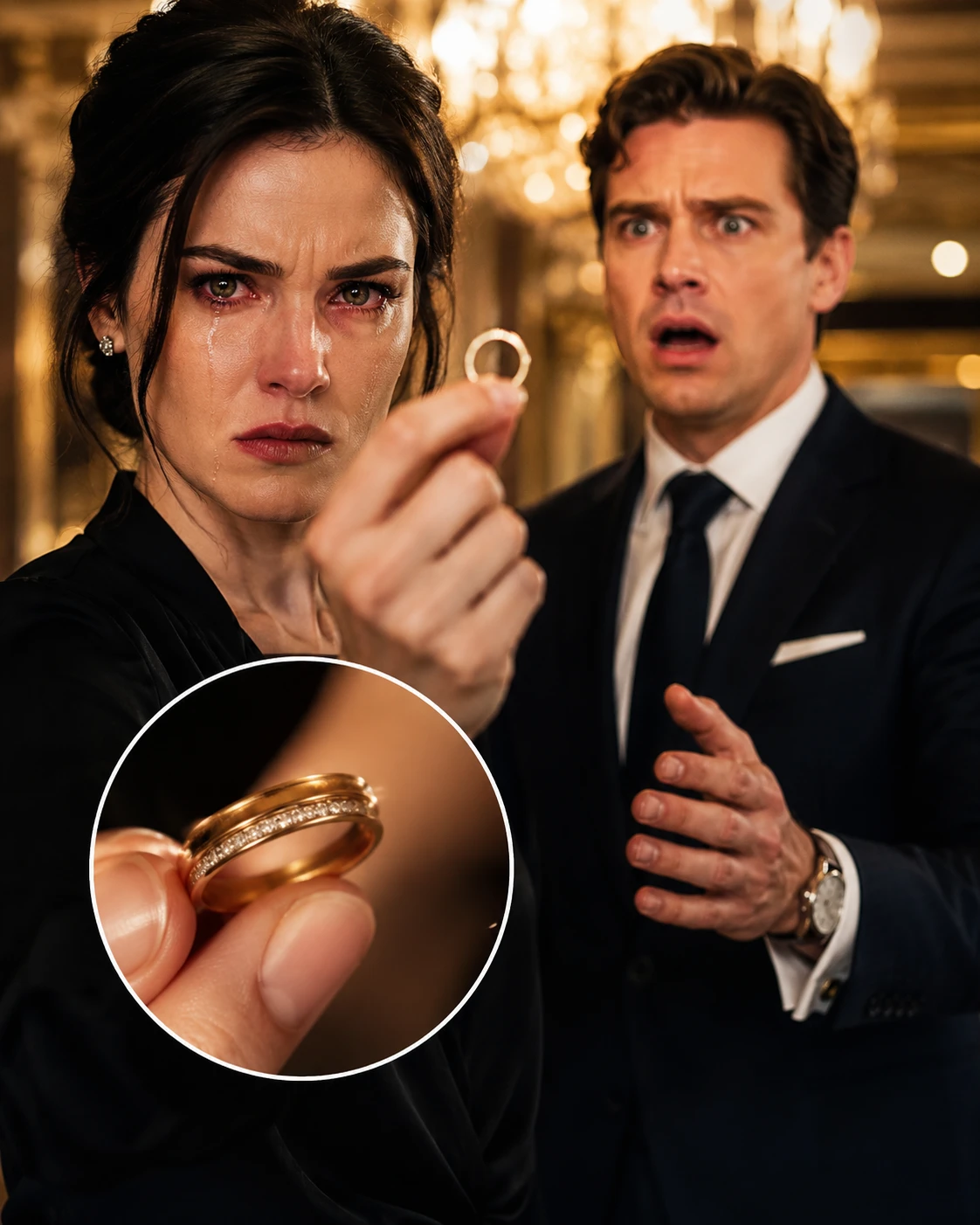
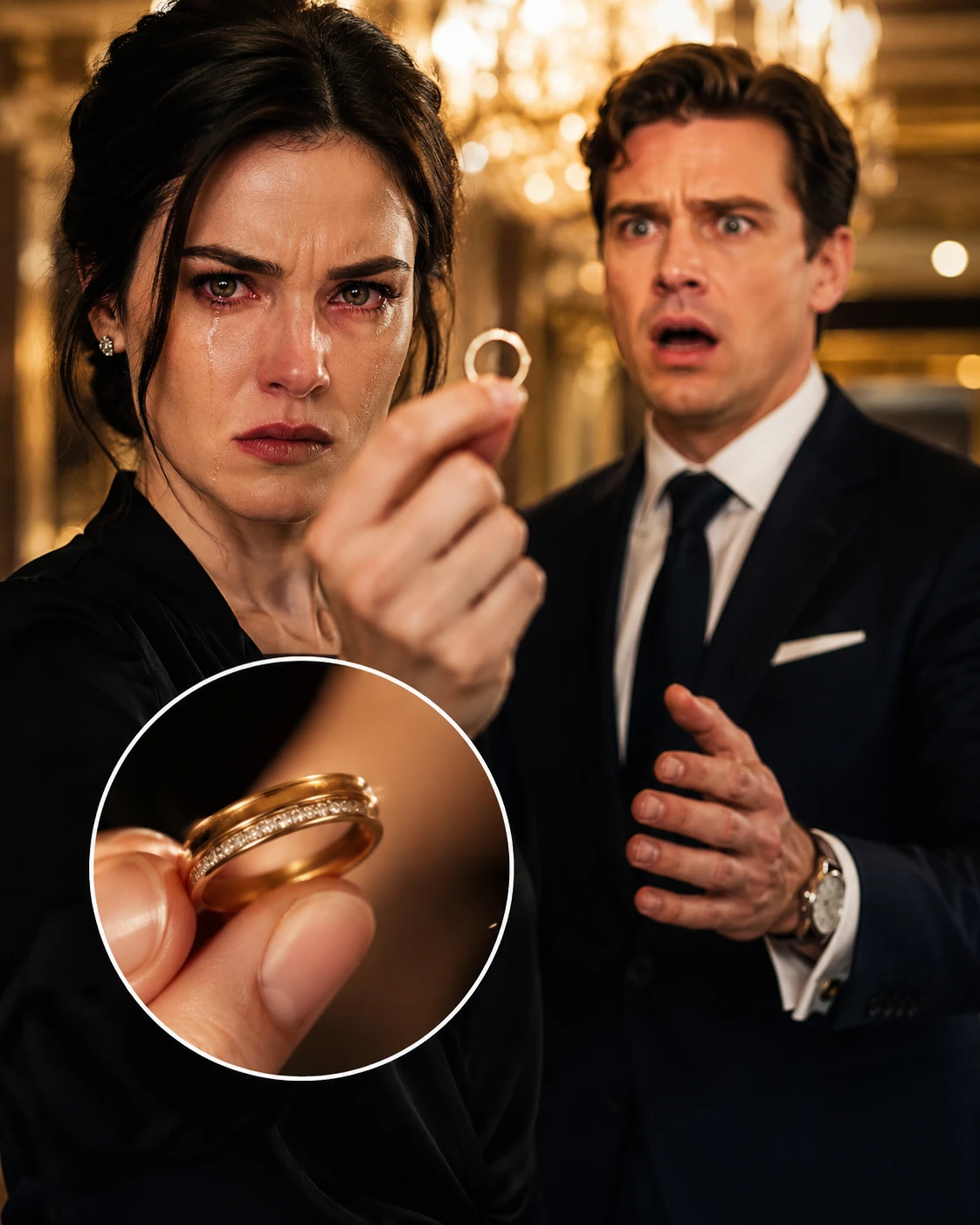
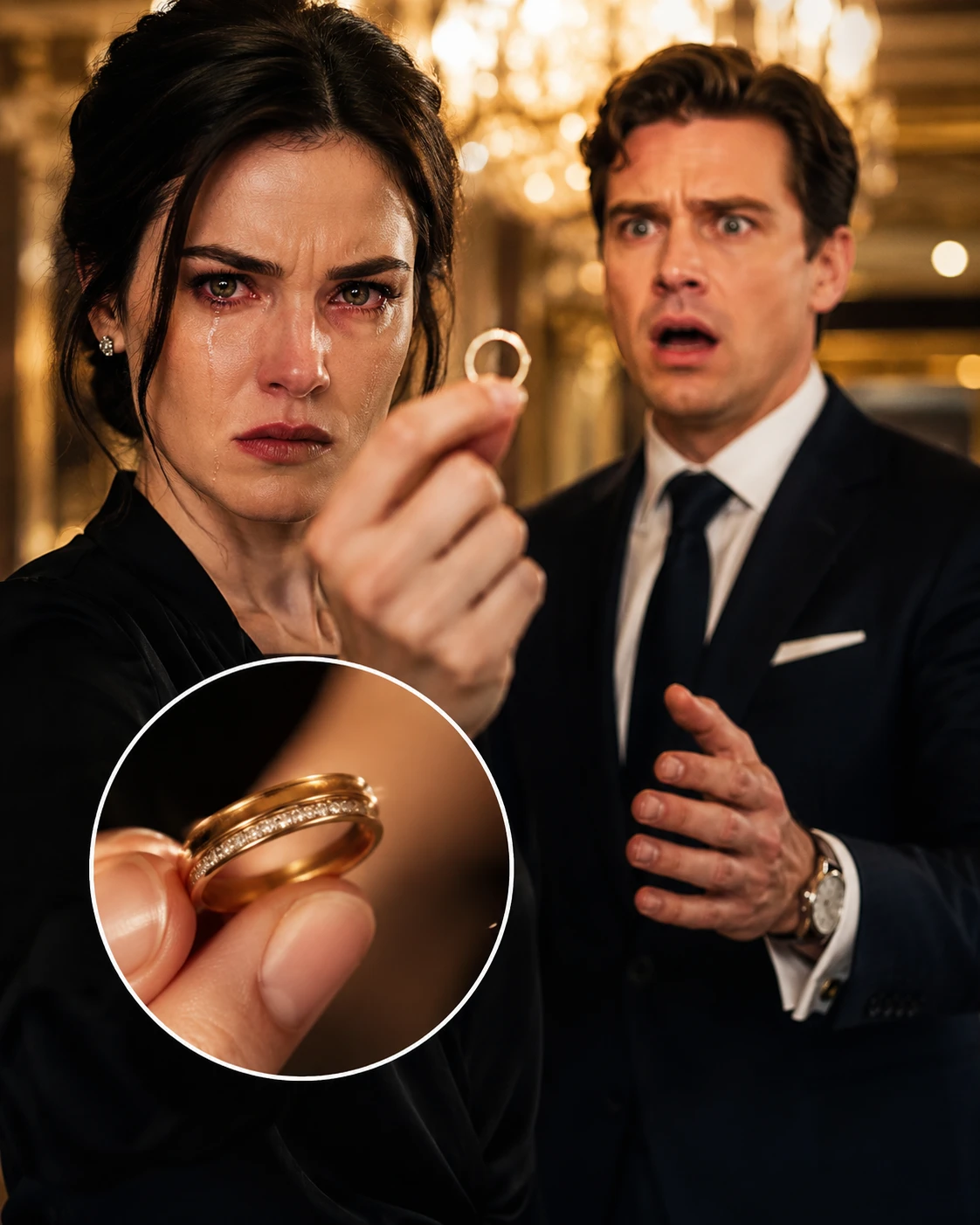
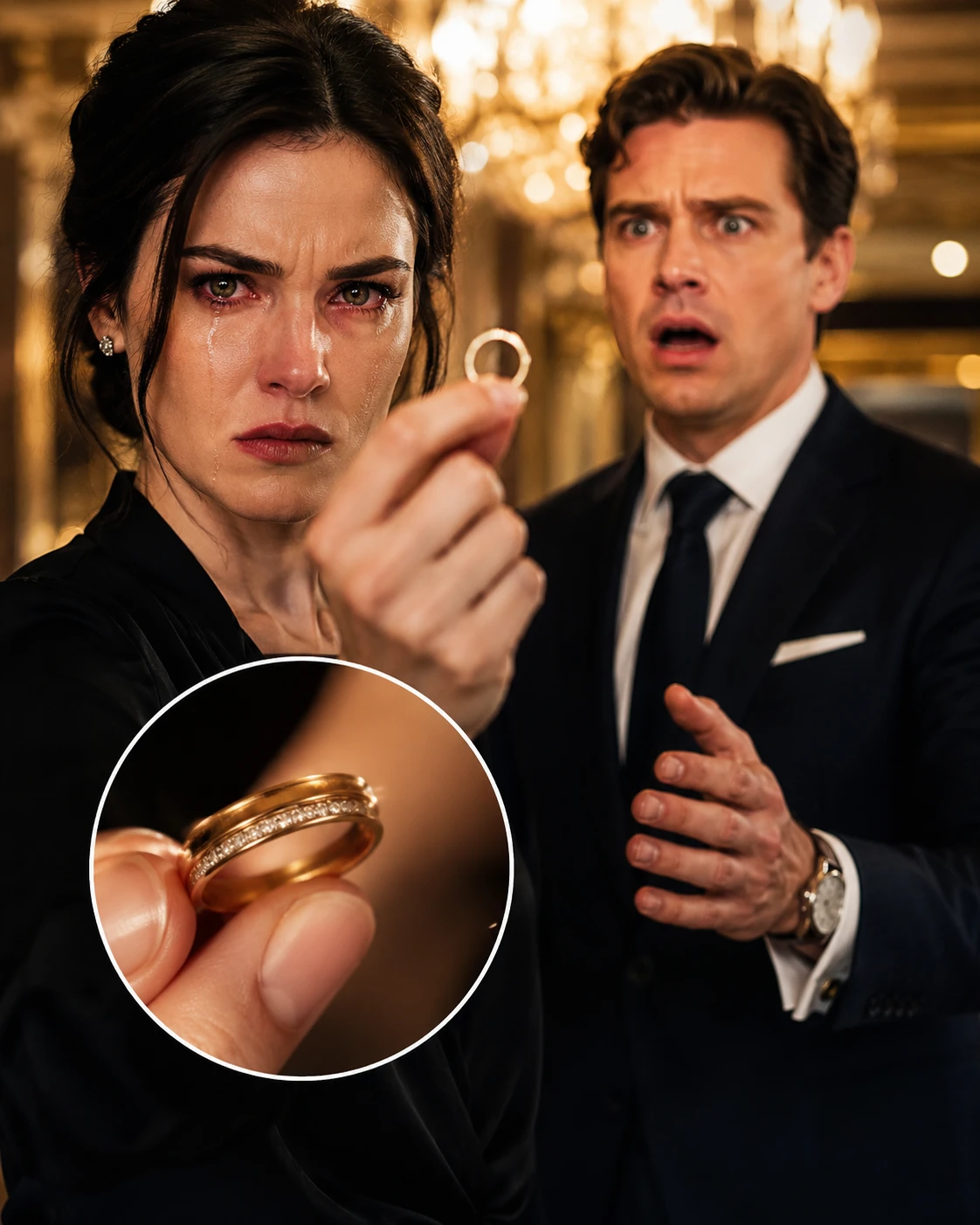
A few phones rose from the crowd. That was the sound of a life changing now: not a crash, not a scream, just the soft click of cameras being opened by women who had come to hear me talk about survival and were now watching mine happen in real time.
For three seconds, I wanted to throw the microphone at his face.
For two seconds, I wanted to cry.
For one second, I saw my mother in my mind, standing in our kitchen in Savannah with flour on her wrists and a warning in her voice.
Never hand a man the knife and then act surprised when he cuts the cake without you.
So I did not scream.
I did not ask Sloane to move.
I walked to the edge of the signing table, picked up the microphone, and faced the room.
“Thank you,” I said, my voice smooth as black satin, “for supporting a book about women who mistake proximity to power for ownership.”
The crowd went silent.
Sloane’s smile froze.
Preston’s did not.
Not yet.
That was the thing about men like Preston.
They think humiliation is a weapon only they are allowed to hold.
They never imagine that a woman can take the blade, polish it, put it under gallery lighting, and sell tickets to the execution.
Chapter 1: The Chair Under the Chandelier
Blackstone & Co. Books on Madison Avenue did not look like a place where marriages died.
It looked like a cathedral for wealthy readers.
Three stories of dark walnut shelves. Marble floors veined in gray. Brass ladders that slid along the walls. Chandeliers shaped like frozen rain. A private event room upstairs where editors drank champagne and pretended not to hate each other.
When I first walked in that evening, the air smelled of paper, peonies, and old money.
My books stood in a perfect pyramid by the front windows.
THE GILDED WIFE.
A memoir disguised as a marriage manual. A survival story wrapped in luxury. A book about how women are trained to decorate rooms they actually built.
My face stared back from the jacket: calm, pale, dark-haired, wearing a black silk blouse and a diamond tennis bracelet my grandmother left me. The publisher had wanted me to smile. I refused. Women do not owe the world dimples on the cover of their pain.
The event had sold out in twelve minutes.
Two hundred women downstairs. Another hundred on the waitlist. A livestream arranged by Preston’s marketing company. A photographer from Vanity Ledger. Three podcast hosts. One book club from Greenwich that arrived in matching cream coats.
Preston had told me he was proud.
He had said it that morning while fixing his cufflinks in our penthouse mirror.
“You’ll be extraordinary tonight, Evie.”
He only called me Evie when he wanted something.
I watched his reflection. Navy Brioni suit. Perfect hair. Clean jaw. Wedding ring on.
He looked like a man who belonged in advertisements for private banks and inherited regrets.
“What do you want?” I asked.
He laughed. “Can’t a husband be supportive?”
“Not historically.”
His hands paused at his cuffs. Then he smiled in that lazy, beautiful way that had once made me forget every smart thing I knew.
“I want you to be generous tonight,” he said. “There may be some brand expansion conversations. Don’t be difficult.”
There it was.
The word men use when they are about to ask a woman to betray herself.
Difficult.
I looked back at my own reflection.
Black column dress. Hair twisted low at my neck. Pearl studs. No visible weakness.
“What kind of brand expansion?” I asked.
He came up behind me and placed his hands on my shoulders.
For eight years, I had known the weight of those hands. On my waist at galas. On my back in elevators. Around my wrist the night I told him I did not want Sloane Sterling in our house again.
“She has a following,” he said. “A young audience. The publisher thinks there’s room for a companion series. Lifestyle. Feminine power. Reinvention.”
I met his eyes in the mirror.
“Sloane.”
He did not flinch.
That was when I knew he had stopped hiding the affair because he no longer believed I could punish him for it.
“Don’t make it ugly,” he said softly. “She admires you.”
I smiled.
Not because anything was funny.
Because the body needs somewhere to put fury when you do not allow it to leave your mouth.
“How sweet,” I said. “Most parasites admire the body until it dies.”
His hands tightened.
“Evelyn.”
I turned around and adjusted his tie.
His pupils shifted.
He thought I was surrendering.
Men like Preston always mistake elegance for permission.
“I’ll see you at the signing,” I said.
Then I left him standing in front of the mirror with a tie knot that was slightly crooked.
It was the last thing I ever fixed for him.
By six thirty, Blackstone & Co. was glowing.
Rain traced silver lines down the windows. Outside, Manhattan honked and flashed and pushed itself through evening traffic. Inside, women gathered under warm light with glasses of champagne, their faces bright with curiosity.
Some of them had cried reading my book.
Some had messaged me privately.
Your chapter about silence saved me.
I left my husband after page 214.
I didn’t know emotional betrayal could have receipts until you wrote it down.
I had answered every message I could.
The funny thing was, I had written The Gilded Wife before I knew my own marriage had become its final chapter.
Or maybe my body knew before my mind was ready to look.
The event began at seven.
At seven-oh-three, I stepped into the greenroom behind the signing area, and my publicist, Maren, turned around with all the color drained from her face.
“Evelyn,” she said. “There’s an issue.”
I looked past her.
The door to the main room was slightly open.
Through it, I could see the signing table.
My chair.
And Sloane Sterling sitting in it.
She had placed her little gold clutch beside my fountain pen.
My fountain pen.
The one my father gave me when I sold my first essay to The Atlantic. The one engraved E.M., from before I became Evelyn Monroe Whitaker.
My old initials.
My real ones.
Sloane lifted the pen, uncapped it, and pretended to sign the air.
Something in me went terribly quiet.
That was the moment I stopped being a wife.
Not legally.
Not yet.
But spiritually, emotionally, permanently.
Marriage does not end when someone cheats.
It ends when they let another woman touch the sacred things and expect you to stand there politely.
Maren whispered, “Do you want me to remove her?”
“No.”
Jonah, the store manager, hurried toward Sloane, bent slightly, and said something I could not hear.
Sloane laughed. Then her voice carried clearly through the open door.
“He said I’m part of the brand now.”
Preston stood ten feet away, speaking with a reporter.
He turned just enough to see me watching.
Then he smiled.
It was not a lover’s smile.
It was an owner’s.
He thought the room belonged to him because he had arranged the lighting, the livestream, the press list, the sponsored champagne, the floral installation, the photographer, the seating chart.
He had forgotten I wrote the book.
I stepped into the room.
Conversation softened as people noticed me.
Then the whispering began.
Sloane did not stand.
She angled her body toward the audience, crossed her legs, and rested one red-soled heel in front of the table like a signature.
She was beautiful in the way a knife is beautiful when someone else is holding it.
Preston came toward me.
“Evie,” he said under his breath. “Be smart.”
I looked at him.
“I am.”
He blinked.
Then I walked past him.
I did not go behind the table.
I did not touch Sloane.
I did not ask for my chair.
Instead, I stood in front of the first row, where Mrs. Adelaide Cross, eighty-two-year-old patron of the arts and terror of five nonprofit boards, sat in Chanel tweed with her hands folded over a cane.
She looked from me to Sloane.
Then she gave me one small nod.
Permission from an old woman who had buried three husbands and outlived every rumor.
I picked up the microphone from the podium.
The livestream light turned red.
My face appeared on the large screen behind the table.
Calm.
Still.
Almost amused.
“Good evening,” I said.
The room hushed.
“I had prepared a speech about the making of The Gilded Wife. About the cost of telling the truth when truth is inconvenient to the people who profit from your silence.”
Preston’s jaw tightened.
Sloane sat straighter.
“But apparently,” I continued, “tonight has become more interactive.”
A ripple moved through the audience.
I turned slightly, just enough to include Sloane in the frame.
“I want to thank everyone here for supporting a book about women who mistake proximity to power for ownership.”
The first gasp came from the back row.
Then a laugh, quickly swallowed.
Then silence again, sharper than before.
Sloane’s face went pink beneath her makeup.
Preston took one step forward.
I lifted a hand.
Not high.
Not dramatic.
Just enough.
He stopped.
That was when the room changed.
People saw it.
Not the affair. Not all of it. Not yet.
They saw the power arrangement fail.
They saw a husband try to move his wife like furniture and discover she had become architecture.
I walked to the stack of books.
Sloane’s hand was still resting on the top copy.
I looked down at it.
She removed her hand.
I smiled at the audience.
“I’ll be signing from the podium tonight,” I said. “It seems the chair has accepted an unpaid internship.”
The room exploded.
Not loud exactly.
Worse.
Women laughed with recognition.
The kind of laughter that contains every dinner where a wife was interrupted, every meeting where an assistant was mistaken for decoration, every mistress who believed access was achievement, every man who thought women were too afraid of looking bitter to tell the truth.
Jonah rushed to bring a small standing table to the podium.
Maren moved the books.
Sloane remained in my chair with nowhere to put her face.
Preston leaned close as I signed the first copy.
“You’re making a mistake,” he whispered.
I wrote my name carefully on the title page.
Then I added: Never confuse the table with the woman who built it.
I handed the book to the reader.
She looked at the inscription, then at Preston, then back at me.
“I’ll take three more,” she said.
By eight fifteen, every copy in the store had sold.
By eight thirty, Blackstone had called two nearby branches to send emergency stock.
By nine, the clip had reached half a million views.
By midnight, the hashtag was everywhere.
#TheChair
By morning, my book was number one in memoir, number one in women’s studies, number one in divorce inspiration, and number one in categories my publisher had never even heard of.
Preston did not come home that night.
Sloane posted a photo of herself in my chair and captioned it:
Some women inspire the movement. Some women become it.
I stared at the post over coffee in my penthouse kitchen.
The rain had cleared. Manhattan shone cold and bright beyond the windows.
I clicked save.
Then I forwarded the screenshot to my attorney.
Chapter 2: The Woman Behind the Brand
People think revenge begins with anger.
Mine began with accounting.
Three months before the book signing, I found the first invoice.
It came folded inside a packet of vendor receipts Preston had left on his desk. Preston was not careless. He was worse. He had become comfortable.
The invoice was from a luxury PR consultant in Los Angeles.
Client: Sloane Sterling.
Service: Brand transition strategy, feminine empowerment vertical, author-adjacent positioning.
Paid by: Whitaker Creative Group.
Whitaker Creative Group was Preston’s company.
At least, publicly.
Privately, I owned forty-nine percent of it.
Not because he loved me.
Because my grandmother had required it.
When Preston and I married, everyone said I was lucky.
He came from the kind of Connecticut family that uses “summer” as a verb. His mother wore pearls to breakfast. His father had once been photographed on a yacht with a senator and a woman who was not his wife, which somehow improved his social standing.
I came from Savannah.
Old house. Old debt. Old silver that looked impressive until you tried to sell it.
My mother, Lillian Monroe, wrote poetry no one bought and taught English to girls who went on to marry men who quoted their intelligence during vows and punished it afterward.
My father died when I was twenty-four, leaving behind medical bills, a cracked leather chair, and the fountain pen Sloane had dared to touch.
Preston met me at a literary benefit in Charleston.
I was nobody then.
A woman in a black dress I had altered myself, standing near the bar because I could not afford the silent auction items and did not know where else to put my hands.
Preston approached me with champagne and said, “You look like you hate this room.”
“I hate rooms that congratulate themselves,” I said.
He laughed as if I had given him a gift.
For two years, he pursued me with the patience of a hunter and the manners of a prince.
He sent books instead of flowers.
First editions.
Joan Didion. Toni Morrison. Edith Wharton. Daphne du Maurier.
Inside each one, he wrote notes that made me believe he had read not only the pages but me.
When he proposed at the New York Public Library, he said, “I don’t want to own your brilliance. I want to stand close enough to watch it burn.”
I was thirty.
Lonely.
Ambitious.
Still young enough to confuse admiration with safety.
My grandmother, Ruth Monroe, was not.
She was eighty-seven when Preston asked for her blessing.
She sat in her sunroom in Savannah, surrounded by orchids and legal pads, and looked at him for ten full seconds before saying, “Pretty men are expensive.”
Preston smiled.
Grandmother Ruth did not.
She had once turned a failing stationery shop into the most discreet private correspondence business in the South. Senators, judges, mistresses, widows, and women with secret bank accounts all used Monroe Paper.
By the time she retired, she owned more downtown property than half the men who called her “darling.”
She liked Preston’s manners.
She did not trust his hands.
So before the wedding, she gave me two gifts.
The first was a pair of diamond earrings.
The second was Nina Caldwell.
Nina was a divorce attorney with silver hair, red lipstick, and the moral flexibility of a wolf. She had represented oil wives, tech wives, politician wives, and one duchess who allegedly burned down a wine cellar and still kept the vineyard.
Nina reviewed the prenup Preston’s family lawyers sent.
Then she laughed for thirty-two seconds.
“Sweetheart,” she told me, “this isn’t a prenup. This is a velvet bag over a cage.”
She rewrote it.
Separate property protections.
Creative rights protections.
Revenue tracing provisions.
A clause that anything derived from my name, likeness, writing, voice, personal history, unpublished drafts, lectures, interviews, or public persona remained mine exclusively unless I signed a separate notarized transfer.
Preston hated it.
His mother called it “unromantic.”
Grandmother Ruth called it “foreplay for survival.”
Preston signed because he wanted me more than he wanted caution.
Or because he thought love would make me too soft to enforce paper.
That was his first mistake.
His second was underestimating my grandmother’s trust.
The Monroe Legacy Trust held assets no one in Preston’s circle knew about. Brownstones bought in the seventies. Mineral rights from a forgotten land deal in Texas. A small but viciously profitable printing company in New Jersey. A private investment account that had quietly grown fat on boredom and compound interest.
When Ruth died, she left me control.
Not ownership anyone could touch.
Control.
There is a difference.
Ownership can be divided in court.
Control decides who gets the keys.
I did not tell Preston everything.
I told myself it was privacy.
Maybe it was instinct.
Either way, it saved me.
When The Gilded Wife sold at auction, Preston insisted his company handle my brand strategy.
“We’ll keep it in the family,” he said.
I agreed to a limited marketing contract.
Limited.
That word would later become the hammer that shattered him.
For the first year, he did everything right.
The book trailers. The interviews. The preorders. The celebrity blurbs. The placement in airport bookstores where exhausted women buy books they are finally ready to understand.
Then Sloane arrived.
She was hired as a junior strategist.
Pretty. Quick. Hungry. Southern, but polished. She said “ma’am” to older women and “iconic” to everyone under forty.
The first time I met her, she told me my book changed her life.
“It made me want to stop shrinking,” she said.
I almost liked her.
That is the part women hate admitting later.
Sometimes the woman who betrays you does not enter like a villain.
Sometimes she enters like a fan.
Sloane began appearing everywhere.
At campaign meetings.
At dinners.
At the house in Southampton.
At a charity auction where she wore white and laughed too loudly at Preston’s jokes.
When I asked him about it, he kissed my forehead.
“She’s ambitious. Don’t punish young women for wanting mentorship.”
Men love disguising temptation as mentorship.
By the time I found the invoice, I already knew.
Not in the way wives know from lipstick stains or late-night texts.
In the body.
In the coldness beside you in bed.
In the extra shower before dinner.
In the way a man stops asking about your day but knows the details of another woman’s coffee order.
I did not confront him.
Confrontation is for people who need answers.
I needed evidence.
So I began.
Quietly.
Elegantly.
Completely.
I hired a forensic accountant through Nina Caldwell.
I changed passwords Preston did not know I knew he had.
I backed up emails.
I downloaded royalty statements.
I reviewed every contract Whitaker Creative Group had executed in connection with my book.
I traced payments.
Hotel suites at The Lowell.
Jewelry from Bergdorf.
A $9,800 stylist invoice for “author-adjacent visual alignment.”
A retainer for Sloane’s personal media coach.
A ghostwritten proposal titled The Modern Muse: Reinventing Power Beside Powerful Women.
Beside.
That word amused me.
Beside is where people stand when they cannot build the thing themselves.
The deeper we looked, the uglier it became.
Preston had not only slept with Sloane.
He had prepared her.
He wanted to make her the younger, softer, more marketable face of the movement my book had started.
A podcast featuring both of us, then mostly her.
A lifestyle newsletter using my audience.
A speaking tour where I would “pass the torch.”
A proposed imprint called Gilded House, with Sloane as founding creative voice.
My publisher had not approved it.
I had not approved it.
But Preston had pitched it using projections based on my sales, my reader data, my private subscriber list, and three unpublished essays from my next book.
He had copied drafts from my laptop.
That was when the betrayal stopped being marital and became criminal.
Nina read the file in her office on Fifth Avenue while I sat across from her drinking tea I did not taste.
Outside, the city moved like nothing sacred had been stolen.
Inside, Nina turned a page and smiled.
It was not a happy smile.
It was the smile of a woman watching prey step into a beautifully designed trap.
“Did he sign the marketing limitation addendum?” she asked.
“Yes.”
“Did Sloane sign anything?”
“An influencer collaboration agreement with Whitaker Creative. I never authorized it.”
“Did she publicly represent herself as part of your brand?”
“Not yet.”
Nina looked up.
“Let her.”
I stared at her.
“She wants the chair,” Nina said. “Give her the room.”
That was the plan.
Not the humiliation.
I had not known Preston would go that far.
I had expected him to introduce her. To pressure me into smiling beside her. To announce some insulting collaboration and expect me to clap for my replacement.
But when Sloane sat in my chair, when Preston smiled from the aisle, when the livestream caught her saying, “He said I’m part of the brand now,” they gave me more than cruelty.
They gave me proof.
Public.
Recorded.
Voluntary.
Beautiful.
By the next morning, Nina had the clip transcribed.
By noon, cease-and-desist letters went out.
By two, Whitaker Creative Group’s internal accounts were frozen pending review.
By three, my publisher called.
Not my editor.
The CEO.
His name was Malcolm Pierce, and he had the exhausted voice of a man who had woken up to a public relations disaster wearing a silk blouse in someone else’s chair.
“Evelyn,” he said, “first, let me say we are horrified.”
“Horrified enough to audit all communications from Whitaker Creative?”
A pause.
“Yes.”
“And suspend any use of my reader data, unpublished material, image, name, and title concepts outside approved channels?”
“Of course.”
“And issue a statement making clear Sloane Sterling has no affiliation with me, my book, my brand, my tour, or any authorized project derived from The Gilded Wife?”
Another pause.
Longer.
“Preston may object.”
I looked out at Central Park, where late autumn had turned the trees the color of old whiskey.
“Preston can object from discovery.”
The statement posted at four fifteen.
By five, Sloane deleted her chair photo.
By six, screenshots of the deletion went viral.
By seven, she posted an apology.
It was terrible.
To anyone who felt hurt by seating confusion at a literary event—
Nina sent another letter.
At nine, Preston finally came home.
I was in the library, sitting in my father’s old leather chair.
Not the pretty chair in the signing video.
The real one.
Cracked arms. Soft back. A ghost of pipe tobacco from a man who never smoked inside but somehow left memory everywhere.
Preston entered without his tie.
His face looked different when he was afraid.
Still handsome.
Less expensive.
“You’ve embarrassed us,” he said.
I turned a page.
It was an old copy of Rebecca.
“That’s interesting,” I said. “I thought you handled that part.”
He came closer.
“This could have been managed privately.”
“So could adultery.”
His mouth tightened.
“You’re enjoying this.”
I looked up.
“No. Enjoyment is warm. This is clean.”
For the first time since I had known him, Preston did not know what to say.
Then he laughed once, sharp and ugly.
“You think a viral moment makes you powerful? Evelyn, I built this brand. I got you into rooms you didn’t even know existed.”
I closed the book.
“My name got you paid in those rooms.”
His eyes darkened.
“You wouldn’t be where you are without me.”
There it was.
The sentence men save for when love fails and ownership starts speaking.
I stood.
The library lights glowed around us. Shelves of books rose behind me, many of them gifts from him, most of them lessons he had never understood.
“I know,” I said quietly.
He looked relieved for half a second.
Then I smiled.
“That’s why I kept receipts.”
Chapter 3: The Gala Where He Lost the Room
Preston’s mother called me at eight the next morning.
Victoria Whitaker never used the phone unless she wanted her voice to arrive unarchived.
I let it ring four times.
Then I answered on speaker while Nina Caldwell sat across from me at my breakfast table reviewing bank records.
“Evelyn,” Victoria said. “This has gone far enough.”
I stirred honey into my tea.
“Good morning, Victoria.”
“Do not take that tone with me.”
“What tone?”
“That calm tone. The one women use when they’re about to be unreasonable.”
Nina looked up and mouthed, I adore her.
I smiled into my cup.
Victoria continued, “Preston made a mistake.”
“Several.”
“Sloane is a foolish girl.”
“She is twenty-seven.”
“Exactly.”
“In most states, that is old enough to understand chairs.”
A silence.
Then Victoria’s voice hardened.
“You are humiliating the family.”
I looked at the skyline beyond the windows.
The penthouse Preston and I lived in was on Park Avenue, all limestone and doormen who knew when not to see things. The furniture had been selected by a decorator who used words like masculine softness and heritage texture. Preston’s family believed the apartment was his.
It was not.
The Monroe Legacy Trust bought it in cash.
Preston paid for the wine fridge.
“The family humiliated itself,” I said.
“You need to stop the lawyers.”
“No.”
“You need to release a joint statement.”
“No.”
“You need to remember what you married into.”
I set my spoon down.
Nina’s pen paused.
“What I married into,” I said, “was a man, not a monarchy.”
Victoria inhaled.
“Be careful, Evelyn. Women who burn bridges often discover they are standing on islands.”
I leaned back.
“Then it’s fortunate I own boats.”
I ended the call.
Nina laughed so hard she had to remove her glasses.
The next forty-eight hours were deliciously ugly.
Whitaker Creative issued a statement claiming “miscommunication.”
My publisher issued another statement using the words unauthorized, unacceptable, and legal review.
Sloane hired a crisis manager who clearly hated her.
Preston’s board requested an emergency meeting.
The internet did what the internet does.
It turned a private insult into public entertainment, then public entertainment into moral theater.
Women posted stories about their own chairs.
My sister-in-law sat in my hospital bed for photos.
My boss gave my office to his girlfriend.
My husband let his mother plan our divorce party before telling me.
Every post ended the same way.
She sat in my chair.
The movement became bigger than me by accident.
Or maybe not.
Maybe every woman has a chair story.
A place she earned that someone else tried to occupy with confidence borrowed from a man.
My book sales doubled.
Then tripled.
Blackstone & Co. reordered ten thousand copies and requested an exclusive second signing.
I said yes.
Not because I needed the money.
Because I understood theater.
Preston understood theater too, which was why he made his next mistake at the Whitaker Foundation Gala.
The gala was scheduled for Saturday at The Plaza.
It had been on our calendar for months.
An annual black-tie event benefiting women’s literacy, which was exactly the kind of irony rich people step over without looking down.
I considered skipping it.
Then Nina said, “Absolutely not. Wear black.”
So I did.
Black velvet gown. Long sleeves. High neck. No necklace. Hair down. Dark lipstick.
I looked like a widow who had chosen the coffin personally.
Preston arrived separately.
He had not slept at the penthouse since the night I mentioned receipts.
Sloane came with him.
That was expected.
What was not expected was the brooch.
My mother’s sapphire brooch.
A deep blue oval stone circled by tiny diamonds, pinned to Sloane’s pale dress just above her heart.
For one moment, the ballroom disappeared.
I saw my mother fastening that brooch to her coat before church in Savannah. I saw her smile in the hallway mirror. I saw her touch it the day my father’s diagnosis came back, as if beauty could anchor a woman while the world opened beneath her.
After she died, the brooch vanished.
I had searched for it for years.
Preston told me grief made people misplace things.
He said it gently.
I believed him.
Now it glittered under The Plaza’s chandeliers on his mistress’s chest.
There are humiliations that make you angry.
Then there are desecrations that make you holy.
Preston saw me see it.
For the first time, shame crossed his face.
Not enough.
Sloane followed my gaze and touched the brooch.
“Oh,” she said sweetly. “Do you like it? Preston gave it to me. He said it belonged to someone who never learned how to shine.”
The old me might have slapped her.
The woman I had become only smiled.
“How lovely,” I said. “It’s always moving when stolen things find their way to public lighting.”
Sloane frowned.
Preston stepped between us.
“Evelyn,” he warned.
I looked at him.
“You gave her my mother’s brooch.”
His voice dropped.
“Not here.”
I almost laughed.
Not here.
Men always want privacy after choosing an audience for your pain.
But I had learned from the signing.
Public cruelty deserves public accounting.
Dinner began at eight.
The ballroom was filled with white roses, champagne towers, and donors dressed like tax deductions. The Whitaker Foundation board sat at the central table. Victoria Whitaker presided in silver silk, her posture rigid enough to support architecture.
I was seated beside Preston.
Sloane was seated on his other side.
A mistake.
Or a dare.
The first course arrived: tiny artichokes arranged like apologies.
Preston leaned close.
“Don’t ruin tonight.”
I looked at Sloane’s brooch.
“I’m not the one wearing evidence.”
His hand tightened around his knife.
The speeches began.
Victoria welcomed everyone. A senator made jokes about reading to children despite clearly not having read to his own. A publisher spoke about women’s voices while avoiding eye contact with me.
Then Preston stood.
He had always been good on a stage.
That was part of why I married him.
Some men look like they are performing. Preston looked like the room had been waiting for him all along.
He thanked the donors.
He thanked his mother.
Then he turned toward me.
“And I want to acknowledge my wife, Evelyn, whose recent success has reminded us all of the power of women’s stories.”
Applause.
Phones lifted.
Preston smiled, warm and wounded.
“We have faced some personal challenges this week. Marriage is complicated. Public life is complicated. But I believe the strongest women are those who choose grace over grievance.”
There it was.
The trap.
He was inviting the room to admire me only if I forgave him quietly.
Sloane lowered her eyes like a saint in borrowed diamonds.
Preston continued, “Evelyn and I remain committed to the larger mission. Lifting women’s voices. Building platforms. Making space.”
Making space.
For his mistress in my chair.
The applause began before he finished.
Polite. Relieved. Wealthy people love reconciliation when it does not cost them anything.
Preston looked down at me and extended his hand.
A performance.
A demand.
A warning.
I stood.
The room clapped harder.
Victoria’s shoulders relaxed.
Sloane smiled.
I took Preston’s hand.
His palm was cold.
He leaned in and whispered, “Good girl.”
That was his final mistake as my husband.
I took the microphone from him.
The applause softened.
I turned to the ballroom.
“Thank you, Preston,” I said.
His fingers twitched.
I released his hand.
“I am grateful you mentioned women’s voices tonight, because I would like to use mine clearly.”
The room became alert.
Rich people can smell blood through perfume.
“My husband is correct that strong women often choose grace. But grace is not silence. Grace is not allowing stolen work to be repackaged. Grace is not smiling while another woman wears your dead mother’s jewelry and calls it empowerment.”
A gasp moved through the ballroom like wind through glass.
Sloane went white.
Victoria stood halfway.
“Evelyn,” she snapped.
I did not look at her.
“Earlier this week, Ms. Sterling publicly represented herself as part of my literary brand without authorization. Tonight, she is wearing a sapphire brooch taken from my late mother’s estate. I have already filed a police report.”
Preston’s face emptied.
Sloane’s hand flew to the brooch.
“I didn’t steal it,” she said loudly. “He gave it to me.”
The room heard every word.
Nina, seated two tables away, closed her eyes as if savoring music.
I turned to Sloane.
“Thank you for clarifying chain of possession.”
A photographer’s flash went off.
Then another.
Then phones rose everywhere.
Preston whispered, “Stop.”
I looked at him.
“No.”
One word.
The first truly marital word I had spoken all week.
No.
Not shouted.
Not broken.
Delivered.
A server near the champagne tower smiled before remembering her job.
Security approached, but not for me.
The brooch was removed from Sloane’s dress in a side room while two officers from the NYPD, quietly summoned by Nina before dessert, took statements.
The gala did not recover.
Neither did Preston.
By midnight, the clip of Sloane saying, “He gave it to me,” had been viewed nine million times.
By morning, the Whitaker Foundation announced Preston would be stepping back pending review.
The headline in The Daily Ledger read:
THE CHAIR, THE BROOCH, AND THE BRAND: EVELYN WHITAKER’S VERY PUBLIC UNMAKING OF A MANHATTAN POWER HUSBAND.
I sent the link to Nina.
She replied:
Chapter three is excellent. Shall we file the divorce before lunch?
I looked at the recovered brooch on my desk.
The sapphire seemed darker than I remembered.
As if it had seen things.
“Yes,” I wrote back.
Then I opened my laptop and began writing again.
Chapter 4: The Contract He Never Read
Divorce is often described as the end of a marriage.
For women like me, it is also an audit.
Preston expected tears.
He got subpoenas.
He expected negotiation.
He got injunctions.
He expected me to fight over dishes, art, and reputation.
I fought over data, intellectual property, fiduciary duty, conversion of estate assets, unauthorized derivative works, misappropriation of likeness, breach of contract, and fraud.
The petition was filed in New York County Supreme Court at 9:03 a.m. on Monday.
At 9:07, a process server delivered a copy to Preston in the lobby of the Whitaker Creative Group offices.
At 9:12, someone leaked a photo.
He looked handsome even then, standing beneath his own company logo, holding the papers that would take the company apart.
The internet was unkind.
Good.
Kindness is wasted on men who weaponize dignity against women they betrayed.
Preston called me thirty-one times.
I answered none.
He emailed.
Evelyn, this is beneath you.
I forwarded it to Nina.
She replied:
Men love basements when they built them.
By Wednesday, his attorneys requested a settlement meeting.
Nina chose the conference room.
Top floor of Caldwell & Finch, overlooking Bryant Park. Glass walls. Black walnut table. No art except one massive abstract painting in red and gold that looked like a beautiful wound.
Preston arrived with three attorneys and his father’s watch.
He wore charcoal. No wedding ring.
Sloane did not come.
Smart girl.
Not smart enough.
I arrived with Nina and one folder.
That was all.
Preston watched the folder the way men in old stories watched sealed letters.
His lead attorney, Malcolm Greer, opened with a voice designed to calm expensive animals.
“We believe everyone benefits from discretion.”
Nina smiled.
“Then your client should have practiced it.”
Preston looked at me.
“Evie.”
“Mrs. Whitaker is fine,” Nina said.
His jaw flexed.
Greer continued, “Mr. Whitaker is prepared to offer a generous settlement.”
Nina folded her hands.
“We’re not here for generosity. We’re here for inventory.”
Greer frowned.
“Inventory?”
I opened the folder.
Inside were twelve pages.
Not thick.
Not dramatic.
Just enough.
I slid the first page across the table.
It was a chart.
Money from Whitaker Creative Group to Sloane Sterling.
Money categorized as campaign development.
Money routed through vendors.
Money used for jewelry, hotels, wardrobe, coaching, travel, apartment deposits, and something labeled emotional narrative alignment.
Nina tapped the page.
“Company funds used for personal affair expenses.”
Greer’s face tightened.
Preston leaned back.
“This is absurd.”
I slid the second page.
Unauthorized access logs from my cloud drive.
Downloads of unpublished chapters.
Times matched to Preston’s office IP.
Third page.
A pitch deck for The Modern Muse, using my subscriber numbers, quotes from private reader messages, and concepts lifted from my book proposal.
Fourth page.
Emails from Preston to Sloane.
We soften Evelyn in phase two.
She’s powerful but too severe. You’re aspirational.
Once the audience trusts the chair, they won’t care who’s sitting in it.
I watched Preston read his own words.
There are few pleasures colder than seeing a man meet himself in evidence.
His attorneys went very still.
I slid the fifth page.
The influencer collaboration agreement Sloane had signed.
Greer scanned it quickly.
“This is between Ms. Sterling and Whitaker Creative.”
“Yes,” Nina said. “Which had no authority to license Mrs. Whitaker’s name, brand, readership, likeness, unpublished work, tour positioning, or derivative concepts.”
Preston spoke through his teeth.
“I was acting as her husband and marketing partner.”
“No,” I said.
Everyone looked at me.
I had not spoken since entering.
I slid the sixth page.
The marketing limitation addendum.
Signed by Preston.
Notarized.
Initialed on every page.
I remembered the day he signed it. He had been impatient, barely reading, checking his phone while telling me legal details bored him.
The contract stated plainly that Whitaker Creative Group’s role was limited to approved promotional materials for The Gilded Wife and did not include brand licensing, derivative development, personal data use, third-party collaborations, voice or likeness representation, or any transfer of author equity.
It also contained a penalty clause.
A brutal one.
Nina had written it after two glasses of Barolo and a bad mood.
Any unauthorized commercial use or attempted transfer would trigger immediate termination, disgorgement of related profits, forfeiture of unpaid fees, and assignment of Whitaker Creative’s campaign assets connected to the author platform back to Evelyn Monroe Whitaker or her designated entity.
Greer read the clause twice.
Then he looked at Preston.
“Did you know about this?”
Preston stared at the page.
“I signed a lot of things.”
Nina’s smile sharpened.
“We noticed.”
I slid the seventh page.
He did not recognize it at first.
Then he did.
The room changed.
It was the deed to the Park Avenue penthouse.
Owner: Monroe Legacy Trust.
The Southampton house.
Owner: Monroe Legacy Trust.
The Savannah property Preston had mocked as “charming but impractical.”
Owner: Monroe Legacy Trust.
The black Lincoln town car he used for airport runs.
Leased by Monroe Legacy Trust.
The art on our walls.
Insured by Monroe Legacy Trust.
The first editions he claimed he had bought me as gifts.
Purchased through a Monroe Legacy account, reimbursed after his credit card declined in 2019.
Preston’s face darkened.
“This is irrelevant.”
“No,” I said. “This is home.”
His eyes met mine.
I let him understand.
He had been living inside my protection while preparing my replacement.
Greer cleared his throat.
“Mr. Whitaker’s marital interest—”
“Excluded,” Nina said.
She slid over the prenup.
“Separate trust property. Premarital. Disclosed. Waived. Signed by your client after advice of independent counsel.”
Preston looked at me with something close to hatred.
“You hid money from me.”
I tilted my head.
“No. You hid your attention so well you stopped noticing where your life came from.”
That landed.
Not loudly.
Deeply.
The kind of wound that blooms later.
Greer requested a recess.
Nina refused.
“We’re not finished.”
I slid the eighth page.
A transfer request from Whitaker Creative’s finance department.
Destination: Sterling House Media LLC.
Sloane’s company.
Purpose: launch advance, Gilded House vertical.
Amount: $750,000.
Scheduled for the morning after my signing.
Preston closed his eyes.
The attorneys began speaking all at once.
Nina lifted one finger.
“Careful. We haven’t discussed the brooch.”
That was when Preston finally lost his composure.
He stood.
“She said it made her feel legitimate,” he snapped. “It was a damn pin.”
The room froze.
My mother’s brooch lay in a velvet evidence pouch inside my handbag.
A damn pin.
Something inside me did not break.
Breaking implies surprise.
This confirmed the shape of him.
I stood too.
For the first time, Preston seemed to realize I was not smaller than he was.
I had only loved him from a lower place.
“My mother wore that brooch the day she signed the loan that kept our house,” I said. “She wore it when my father died. She wore it when I sold my first essay and she took me to dinner with a coupon because she wanted the night to feel expensive. You gave it to your mistress because she wanted to feel legitimate.”
He said nothing.
“You should have given her your name,” I said. “It had already lost value.”
Nina made a small sound that might have been a cough.
Greer whispered to Preston, but Preston was not listening.
He looked at me like a man watching a locked door open to a room he had never known existed.
“What do you want?” he asked.
I sat back down.
Everything in me was calm.
Not healed.
Not gentle.
Calm.
“I want my name back. My company interests secured. My reader data destroyed from your servers. My unpublished work returned. My mother’s brooch acknowledged as stolen property received through you. A public correction. A private apology I will never read. And your shares in any campaign assets connected to The Gilded Wife assigned to Violet House Media by Friday.”
Greer frowned.
“Violet House Media?”
For the first time that day, I smiled.
That was the part Preston had not found.
Violet House Media was my company.
Not new.
Not reactive.
Formed five years earlier after my grandmother’s death.
It owned my speaking rights.
My adaptation rights.
My newsletter.
My backlist essays.
My future book option.
It had licensed limited promotional use to Whitaker Creative Group.
It had not sold anything.
Preston’s eyes narrowed.
“What is Violet House?”
“My chair,” I said.
His face changed.
Because at last, he understood.
The signing table.
The brand.
The audience.
The platform.
The viral movement.
The data.
The book he thought he built.
He had not been sitting at the head of my table.
He had been renting space in my house.
And the lease had expired.
Chapter 5: The Woman Who Owned the Ending
Settlement negotiations lasted eleven days.
I slept well.
Preston did not.
By the second week, his board removed him as CEO pending investigation. Whitaker Creative Group’s largest client suspended its contract. Two female executives resigned and hired Nina to review their own equity agreements. Sloane’s publisher canceled a meeting. Her agent denied representing her, despite three emails proving otherwise.
Influencers who had praised her deleted their posts.
The internet discovered she had used the phrase chair energy in an old caption and ate her alive.
I did not comment.
I did not need to.
Silence, when held correctly, becomes a luxury product.
During those eleven days, Preston tried everything.
Anger.
You’re destroying me.
Pity.
I made mistakes, but I loved you.
Memory.
Do you remember Charleston?
Threats.
No one will want you after this.
Romance.
I miss my wife.
That one almost touched me.
Not because I missed him.
Because I missed the woman who would have been destroyed by it.
She had been tender.
Hopeful.
A little foolish.
She believed love meant handing someone the map to every room inside you and trusting them not to invite strangers.
I mourned her privately.
Then I let her go.
On the twelfth day, I returned to Blackstone & Co. for the second signing.
The line wrapped around the block.
Women came with friends, mothers, daughters, divorce papers, wedding rings in envelopes, and stories folded into their palms.
A woman from Ohio brought the chair from her home office in a rented van.
“My husband gave it to his assistant,” she said. “I bought a better one.”
A college student asked me to sign her copy to “the girl who will never shrink.”
An eighty-year-old widow whispered, “I wish your book existed in 1962.”
I held her hand and said, “You existed. That was enough.”
Inside the store, Jonah had placed a new chair behind the signing table.
Not the same one.
This one was better.
Black velvet. Brass frame. A small plaque on the back.
RESERVED FOR THE AUTHOR.
I laughed when I saw it.
For the first time in weeks, the sound did not have steel in it.
Maren touched my arm.
“There’s something else.”
I followed her gaze.
Near the back of the store, standing beneath the balcony, was Adrian Cross.
I had not seen him in nine years.
Some women have a man they regret.
Adrian was not mine.
He was the man I had been too afraid to choose before Preston.
We met at Columbia during a winter writing seminar. He was a scholarship student from Queens with dark eyes, quiet manners, and the kind of intelligence that did not perform. He wrote short stories about immigrants, hunger, and men who loved women badly because no one had taught them another language.
I loved his mind first.
Then his hands.
Then the way he listened as if every word deserved a room.
But Adrian had wanted a small life then.
A real one.
Teaching. Writing. A kitchen with chipped mugs. Sunday newspapers. Love without an audience.
I wanted New York.
Prestige.
Rooms with chandeliers.
Proof that girls from old debt could become untouchable.
Preston arrived wearing all the things I thought ambition looked like.
I chose wrong.
Adrian did not beg.
He simply said, “I hope the room is kind to you.”
It had not been.
Now he stood in Blackstone & Co. wearing a charcoal coat, holding a copy of my book.
Older.
Sharper.
Successful, if the watch and the calm were any indication.
But his eyes were the same.
Patient.
Unbought.
After the signing, he waited until the crowd thinned.
He approached the table like a man approaching a church after losing faith.
“Evelyn Monroe,” he said.
Not Whitaker.
Monroe.
My throat tightened.
“Adrian Cross.”
He placed the book in front of me.
“I read it in one night.”
“That sounds unhealthy.”
“It was.”
I opened the cover.
“What should I write?”
He looked at me for a long moment.
Then he said, “Write the truth.”
My pen hovered.
The truth was dangerous.
The truth was that seeing him felt like opening a window in a room where I had forgotten the air was stale.
The truth was that I did not want a man to rescue me.
The truth was that this one had not come to rescue me.
He had come to witness.
So I wrote:
For Adrian—
The room was not kind.
I became kinder to myself.
He read it.
His face changed.
Softly.
“Good,” he said.
One word.
Somehow warmer than every speech Preston had ever made.
He did not ask for dinner.
He did not touch my hand too long.
He only said, “There’s a café on Seventy-Second that still serves terrible coffee.”
I smiled.
“That place survived?”
“So did we.”
That was all.
Romance, I had learned, does not need to enter with a trumpet.
Sometimes it stands quietly at the back of a bookstore holding your book like it is not a product but a pulse.
I met him for coffee three days later.
Not because I needed distraction.
Because healing deserves witnesses too.
We talked for two hours.
About books.
About his daughter, Maya, six years old and obsessed with dinosaurs.
About my grandmother.
About how ambition can become a house with no doors if you let the wrong people design it.
He did not ask about Preston until I mentioned him.
Even then, he only said, “I’m sorry he mistook your grace for vacancy.”
I looked out the window.
Snow had begun to fall.
“Everyone did.”
“No,” Adrian said. “Some of us knew the chair was never empty.”
I did not cry.
But something in me unclenched.
The final hearing happened in January.
By then, New York had turned brutally cold.
The kind of cold that makes diamonds look appropriate and apologies look thin.
Preston arrived in court with darker circles under his eyes and a new attorney.
Sloane arrived separately in a beige coat, no jewelry, no confidence.
The settlement was mostly done, but two issues remained.
Preston refused to admit wrongdoing publicly.
Sloane refused to sign a statement acknowledging she had no claim to my brand, book, platform, or work.
They wanted neutral language.
Misunderstanding.
Confusion.
Personal matter.
I wanted accuracy.
Accuracy is expensive because it cannot be decorated.
The courtroom was smaller than people imagine. No grand jury box. No dramatic windows. Just wood, fluorescent light, a judge with tired eyes, and the faint smell of paper that had ruined many lives before ours.
Judge Marianne Holt reviewed the filings.
She was in her sixties, with silver hair and the expression of a woman who had heard every possible version of a man saying it was complicated.
Preston’s attorney argued that a public admission would be punitive.
Nina argued that the harm had been public, profitable, and documented.
Sloane’s attorney argued that his client had relied on representations made by Preston.
Nina agreed.
“That is precisely why the statement matters.”
Preston looked back at Sloane.
For the first time, I saw it.
Not love.
Not even loyalty.
Resentment.
He resented her for needing what he had offered.
She resented him for offering what he did not own.
Betrayal is rarely romantic once invoices appear.
Judge Holt removed her glasses.
“Mr. Whitaker,” she said, “did you authorize Ms. Sterling to represent herself as affiliated with Mrs. Whitaker’s book or brand?”
Preston’s attorney stood.
“Your Honor—”
The judge lifted a hand.
“I asked Mr. Whitaker.”
Preston swallowed.
The room seemed to lean toward him.
He looked at me.
Maybe he expected mercy.
Maybe he remembered the woman who used to soften hard moments for him.
She was not available.
“Yes,” he said.
The word landed cleanly.
Judge Holt turned to Sloane.
“Ms. Sterling, did you sit in Mrs. Whitaker’s assigned author chair at the Blackstone event and state that you were part of the brand?”
Sloane’s eyes filled.
For a second, I saw not the mistress, not the thief, not the pretty girl with my mother’s brooch, but a frightened young woman who had mistaken male attention for a staircase.
“Yes,” she whispered.
“Did Mrs. Whitaker authorize you?”
“No.”
The judge nodded.
“Then the corrective statement is not punitive. It is factual.”
Nina slid the final language forward.
Preston signed first.
His signature looked smaller than I remembered.
Sloane signed next.
Her hand shook.
Then it was done.
Or almost.
As people began gathering papers, Preston stepped toward me.
Nina shifted slightly, but I shook my head.
Let him.
He stopped an arm’s length away.
“Evelyn,” he said.
I waited.
“I did love you.”
For years, that sentence would have ruined me.
Now it only sounded incomplete.
“I know,” I said.
Hope flickered in his face.
Then I finished.
“You loved me the way men love houses they plan to renovate without asking who owns the land.”
His face closed.
“I lost everything.”
“No,” I said. “You returned what wasn’t yours.”
He looked toward the courtroom doors, where Sloane was crying into her attorney’s shoulder.
“She ruined me,” he said.
There it was again.
The cowardice.
I almost felt sorry for him.
Almost.
“She sat in my chair,” I said. “You pulled it out for her.”
He flinched.
Good.
Some truths deserve to leave marks.
The corrective statement posted that afternoon.
Preston Whitaker and Sloane Sterling acknowledge that Ms. Sterling had no authorization to represent herself as affiliated with Evelyn Monroe Whitaker, The Gilded Wife, Violet House Media, or any related brand, works, events, reader data, intellectual property, or future projects. Mr. Whitaker further acknowledges that he exceeded his authority under a limited marketing agreement and regrets the personal and professional harm caused.
It was legal language.
Cold.
Precise.
Devastating.
Within an hour, The Gilded Wife returned to number one.
Within two, Violet House Media announced a new imprint for women’s true stories of reinvention, ownership, divorce, work, money, power, and recovery.
Within four, we opened submissions.
By midnight, we had twelve thousand.
The first anthology was titled The Chair.
We put no woman’s face on the cover.
Only a black velvet chair under a chandelier.
Empty.
Waiting.
The launch took place six months later at the New York Public Library.
Not because Preston had proposed to me there.
Because I wanted to reclaim the room from memory.
That night, I wore ivory.
Not bridal ivory.
Not innocent ivory.
Victory ivory.
The kind of color women wear when they have survived black and no longer need it to look powerful.
My mother’s sapphire brooch was pinned at my waist.
My grandmother’s diamonds were in my ears.
My father’s fountain pen was in my hand.
Adrian stood near the back with Maya on his shoulders. She waved at me with both hands, then whispered something that made him laugh.
I smiled.
Not for the cameras.
For myself.
The room filled with women.
Teachers. Lawyers. Nurses. Assistants. CEOs. Mothers. Widows. Influencers. Retired secretaries. College students. Divorced women with fresh haircuts. Married women with thoughtful eyes. Single women who had decided never to apologize for wanting more.
On each seat was a card.
Not a quote.
A question.
What chair are you ready to take back?
When I stepped onto the stage, the applause rose like weather.
For a second, I saw every version of myself.
The girl in Savannah watching her mother polish a brooch before facing bills.
The young writer at a Charleston benefit, hungry to be seen.
The bride at the library, mistaking a man’s admiration for respect.
The wife in a penthouse, learning that silence could either bury her or sharpen her.
The author standing in front of her stolen chair, choosing not to scream.
And the woman now.
Whole, not because nothing was taken.
Whole because I took myself back.
I placed my notes on the podium.
Then I looked at the audience.
“Six months ago,” I said, “a woman sat in my chair.”
A murmur moved through the room.
I smiled.
“At the time, I thought it was the worst public humiliation of my life. I was wrong. It was a gift.”
Quiet.
“Because sometimes the person trying to replace you does something useful. She shows you exactly what you built. She shows you exactly who believes they own it. She shows you which contracts matter, which friends are real, which rooms are rented, which names are yours, and which chair was never the source of your power.”
Women began to stand.
One by one.
Then row by row.
I had not planned that.
No one had.
The applause became thunder.
Maya covered her ears and laughed.
Adrian looked at me the way he had years ago, before chandeliers and contracts and all the wrong rooms.
Like I was not untouchable.
Like I was real.
After the reading, I signed books for four hours.
At the very end of the line stood an older woman in a navy coat.
She placed a worn copy of The Gilded Wife on the table.
The spine was cracked.
Pages marked.
Margins written in.
“This book made me call my daughter,” she said.
I looked up.
Her eyes were wet.
“I left her father twenty years too late,” she continued. “I thought that meant I had failed. But then I read what you wrote about women not being late to their own lives.”
I opened the book.
“What would you like me to write?”
She smiled.
“Write that I arrived.”
So I did.
For Margaret—
You arrived.
The chair was waiting.
When the last guest left, the library was quiet.
Staff moved through the room collecting glasses and folding programs.
Adrian walked up beside me.
“You look tired,” he said.
“I am.”
“Happy?”
I thought about it.
Happiness used to feel like something I had to defend. A fragile glass object always near the edge of a table.
Now it felt different.
Not loud.
Not perfect.
A warm lamp in a locked house.
“Yes,” I said. “I think I am.”
He reached for my hand slowly enough that I could refuse.
I did not.
His hand was warm.
Outside, Manhattan glittered with that ruthless beauty it saves for people who have been wounded and still decide to look up.
There would be more legal work.
More interviews.
More stories.
More women.
There would be lonely mornings too, and grief that returned without permission, and old memories that knocked softly at inconvenient hours.
Healing was not a closing scene.
It was a practice.
A choice.
A chair you sit in every day until your body believes it belongs there.
Warm Conclusion:
A year later, I moved out of the Park Avenue penthouse.
Not because I lost it.
Because I no longer wanted to live in a museum of what I survived.
I kept the library chair.
My father’s chair.
The cracked leather one that never pretended to be elegant.
I moved it into a brownstone in the West Village, in a room with tall windows, crooked floors, too many books, and a little desk where morning light touched the page before anything else did.
Violet House Media grew faster than anyone expected.
We published women who had been erased from family companies, silenced in churches, cheated out of inheritances, mocked in boardrooms, replaced in marriages, and told they should be grateful for crumbs from tables they had cooked for.
Their books sold.
Their voices carried.
Their chairs multiplied.
Preston left New York for Palm Beach, where men with damaged reputations go to call themselves consultants.
Sloane disappeared for a while, then resurfaced with a podcast about accountability. I never listened. I hoped, in the cleanest part of me, that she eventually learned the difference between being chosen by a man and becoming a woman.
As for Adrian, he did not become my savior.
I would have hated that.
He became something better.
A witness with patience.
A man who knew how to knock.
Some nights, he and Maya came over for dinner. Maya did homework at my kitchen island and asked if all villains wore nice shoes. Adrian washed dishes badly. I corrected his method. He ignored me. I laughed more than I expected.
One evening, months after the anthology launch, I found him standing in my writing room, looking at my father’s chair.
“You know,” he said, “that chair is ugly.”
“It has character.”
“It has back problems.”
I threw a pencil at him.
He caught it.
Then he crossed the room, bent down, and kissed me like a question he was willing to ask for the rest of his life.
I answered slowly.
Not because I was afraid.
Because this time, I wanted to hear myself say yes.
On the first anniversary of the Blackstone signing, Jonah sent me the old brass nameplate from the original chair.
EVELYN WHITAKER.
I held it for a long time.
Then I took it to a small engraver in the Village and had it remade.
EVELYN MONROE.
I placed it on my desk, beside my father’s pen and my mother’s sapphire brooch.
Not as a trophy.
As a reminder.
They can sit where you sat.
They can touch what you built.
They can smile from the aisle, call it branding, call it love, call it strategy, call it a misunderstanding, call it anything that makes betrayal sound less hungry.
But power does not live in a chair.
It lives in the woman who knows when to stand.
And when people ask me now how I survived the most humiliating night of my life, I tell them the truth.
I did not survive it quietly.
I survived it precisely.
She sat in my chair.
I sold every copy.