Chapter 1: The Pastel Facade and the Panic
My ten-year-old daughter, Sophie, was curled tightly into a fetal position on our living room sofa, her small, pale hands clutching her abdomen with a white-knuckled desperation that made my own breath hitch.
“I think I ate something bad, Mom,” she whispered, her face pressed deep into the velvet upholstery. Her voice was thin, a fragile, trembling thread of sound that made my chest tighten with an ancient, maternal dread.
At first, trying to stave off my own rising panic, I assumed it was a minor stomach bug. A passing childhood ailment picked up from the cafeteria. But within forty-five minutes, the physiological data points shifted rapidly from mild, groaning discomfort to alarming, flashing red alerts.
She started vomiting—a violent, entirely involuntary purging that left her trembling like a dry leaf in a harsh winter storm. I pressed the back of my hand to her forehead, and it burned. Her temperature spiked by five degrees in less than an hour, the thermometer beeping an angry warning.
When I gently asked her to stand up so we could get to the car, she couldn’t straighten her spine. She walked hunched forward, her face slick with a cold, clammy sweat, because stretching her abdominal muscles caused her absolute, blinding agony.
Today was supposed to be my younger sister Chloe’s lavish baby shower. It wasn’t just a party; it was a highly choreographed, aggressively funded theatrical production entirely designed to showcase my mother, Eleanor’s, matriarchal prowess to the city’s elite. It was an event dripping in imported orchids, precarious champagne towers, and fifty of the most fiercely judgmental socialites in the tri-state area.
I looked at the perfectly pressed, matching pastel dresses laid out on my bed. I didn’t give them a second thought. I abandoned the facade and immediately transitioned into full crisis management.
I dialed my husband, Matt, from the driver’s seat of my SUV as I sped down the highway toward the pediatric emergency room, breaking every speed limit law on the books. He was currently overseeing a massive, complex concrete pour at a commercial construction site two hours away in the next county.
“I’m leaving the site right now,” Matt said instantly, over the roar of heavy machinery in the background. His voice possessed the calm, deeply grounded authority of a man who dealt with physical emergencies and potential structural disasters for a living. “Do not wait for me for anything, Heather. Whatever the doctors say she needs, you authorize it immediately.”
Do not wait for me for anything.
I logged that specific, steady sentence into my memory. It was a standard, logical directive from a fiercely supportive husband who trusted me implicitly. I had absolutely no idea that within a few short hours, those exact, comforting words would become the legal and moral fulcrum upon which my entire family infrastructure would violently, permanently shatter.
I carried my hunched, weeping daughter through the sliding glass doors of the ER. The sterile, biting smell of industrial antiseptic and bleach hit me like a physical blow to the stomach.
Meanwhile, across town, in the glittering, air-conditioned ballroom of the Plaza Country Club, my parents were greeting guests. They were adjusting their expensive designer tailoring, offering air kisses, and admiring towering, six-hundred-dollar floral arrangements.
I assumed, naively, with the foolish optimism of a daughter who still hoped for a mother’s comfort, that once I called to inform Eleanor of the emergency, she would instantly abandon the cucumber sandwiches and rush to the hospital to be by Sophie’s side.
I was catastrophically wrong.
When I finally got her on the phone, hiding in a quiet corner of the triage waiting room, Eleanor’s tone was hushed, intensely annoyed, and dripping with venomous condescension.
“Heather, you are always so incredibly dramatic,” Eleanor hissed into the receiver, the faint sound of a string quartet playing in the background. “It’s just a tummy ache. She probably ate too much candy. Give her some ginger ale, put some color on your cheeks, and get down here right now. Chloe is devastated you’re ruining her day by making it all about you.”
She hung up before I could even reply.
I stared at the black screen of my phone, my hands shaking with a toxic mixture of fear and profound rejection. I was about to learn a terrifying truth: in my mother’s meticulously curated ecosystem, a life-threatening medical emergency was only valid if it didn’t conflict with her catering schedule.
But the true horror of the day was yet to come.
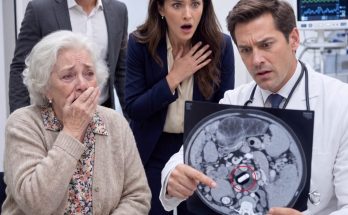
As the nurses finally wheeled Sophie away down a long white corridor for an emergency abdominal scan, a sudden commotion erupted near the main triage desk. A charge nurse, her face pale and urgent, was running toward me holding a clipboard.
“Mrs. Davis?” she asked breathlessly. “There’s a problem with the surgical authorization you just signed.”
Chapter 2: The Phantom Call
My parents called me “dramatic” when I told them my 10-year-old daughter needed emergency care—and chose my pregnant sister’s extravagant baby shower over her hospital bedside. As surgeons fought to save Sophie, I thought their absence was the worst betrayal imaginable. Then, at exactly 2:17 a.m., the surgeon called: “Heather, your family didn’t just refuse to show up. Someone tried to prevent us from operating.” My hands shook as I demanded one answer: who had made that call…
Part 1 of 6