
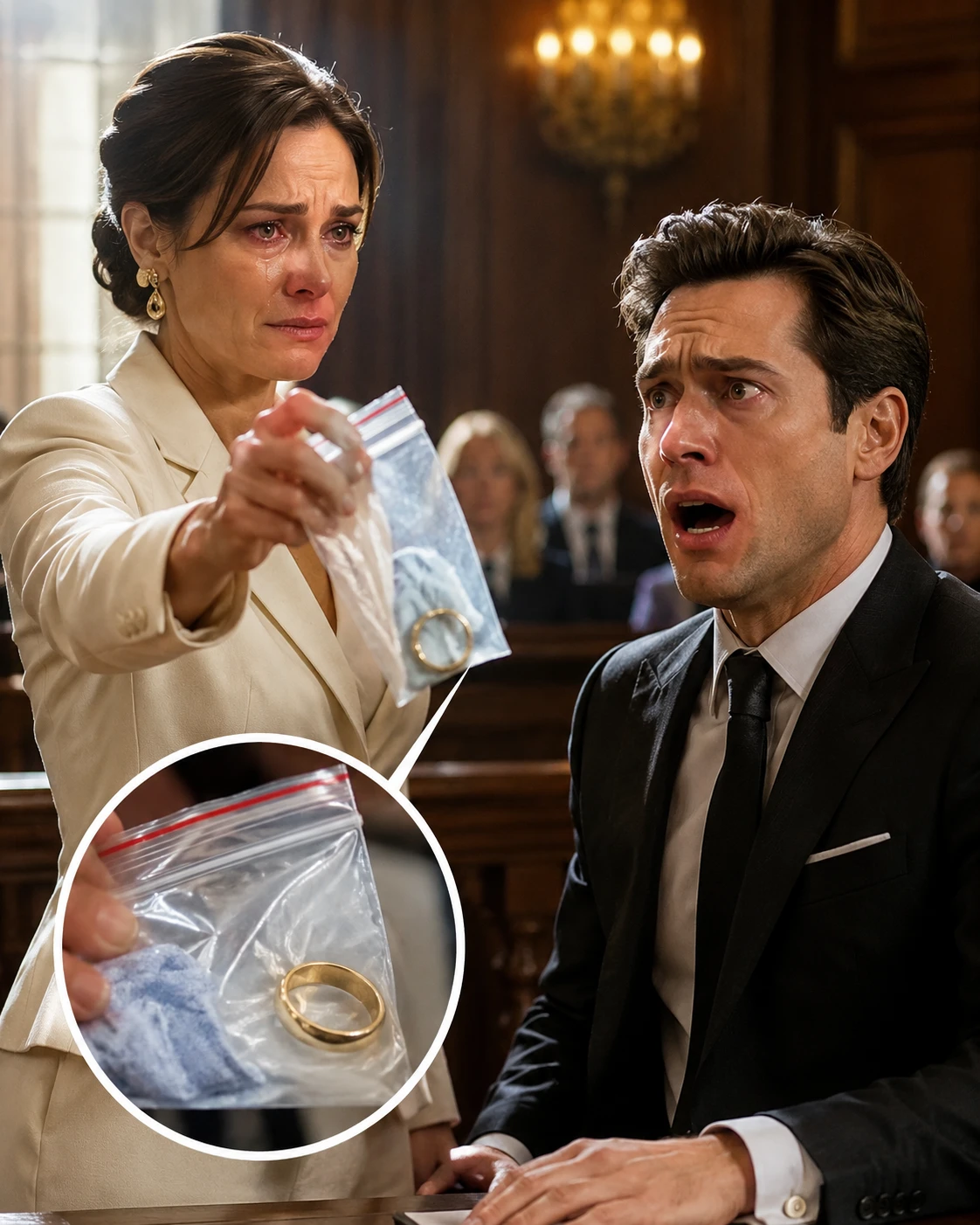
His mistress sent me a wedding invitation addressed to “the woman he outgrew.”
Not “Mrs. Whitaker.”
Not “Evelyn.”
Not even the brittle little courtesy of “to whom it may concern.”
The envelope arrived on a Wednesday morning in late October, cream-colored and thick enough to survive a century in a Vanderbilt archive. It had been hand-calligraphed in gold ink, because humiliation, apparently, should arrive with good penmanship.
I was standing barefoot in the marble kitchen of our Upper East Side townhouse when our housekeeper, Ruth, placed it on the counter with the expression of a woman setting down a small bomb.
“Do you want me to throw it away?” she asked.
I looked at the return address.
Sloane Mercer.
I knew the name the way a wife knows the sound of a lie entering a room.
My husband’s mistress had mailed me a wedding invitation.
My husband, Grant Whitaker, begged me to ignore it because “she was emotional.”
That was the word he used. Emotional. As if cruelty were a weather pattern. As if women like Sloane did not sharpen their softness into knives and then pretend the blood was accidental.
I did not ignore the invitation.
I did not ignore the venue address.
I did not ignore the deposit amount printed discreetly on the event contract tucked inside like a dare.
And I definitely did not ignore the date.
Three days before our divorce hearing.
By sunrise, I had sent copies to my lawyer.
By lunch, my forensic accountant had flagged the payment trail.
By dinner, Grant had stopped begging.
Because the mistress had not mailed me a wedding invitation.
She had mailed me evidence.
CHAPTER 1: THE ENVELOPE THAT SMELLED LIKE MONEY
There are women who scream when their marriages end.
I was never one of them.
My mother, before she died, used to say, “Evelyn, never raise your voice in a room where your bank statements can do the shouting.”
She was from Newport, all pearls and discipline, the kind of woman who could destroy a man’s reputation over lunch and still remember to ask for the lemon tart. She taught me how to sit beautifully through insult. How to smile when someone underestimated me. How to collect proof with the patience of a widow in a mansion full of locked drawers.
So when Grant came home that night smelling like Tom Ford and someone else’s gardenia perfume, I was wearing silk pajamas and reading a book I had not turned a page of in twenty minutes.
He found the invitation on the dining table.
I had placed it there beneath the chandelier, beside one crystal tumbler of bourbon I had poured for him and did not touch.
The townhouse was quiet in that expensive way silence gets when every wall has been professionally insulated from real life. Outside, Madison Avenue glittered with wet pavement and black cars. Inside, my husband stared at the envelope as if it had risen from the dead.
“Evelyn,” he said carefully.
I closed my book.
Grant Whitaker was the kind of man magazines called self-made because it sounded more romantic than opportunistic. When I married him twelve years earlier, he had been handsome, hungry, and just poor enough to still have charm. I brought him into rooms where men wore watches worth more than first homes. I introduced him to donors, bankers, trustees, and widows with generous checkbooks. I made his name sound inevitable.
In return, he spent a decade polishing himself into a man who believed I had been merely the ladder.
His hair was still thick and dark, his jaw still sharp, his suits still cut in Milan. But the beautiful thing about betrayal is that it ages a person in one glance. That night, under the chandelier, Grant looked suddenly cheap.
“Did you know she sent this?” I asked.
He loosened his tie. “She’s upset.”
“About what? The fact that you’re still married?”
His mouth tightened. “Don’t do that.”
“Do what?”
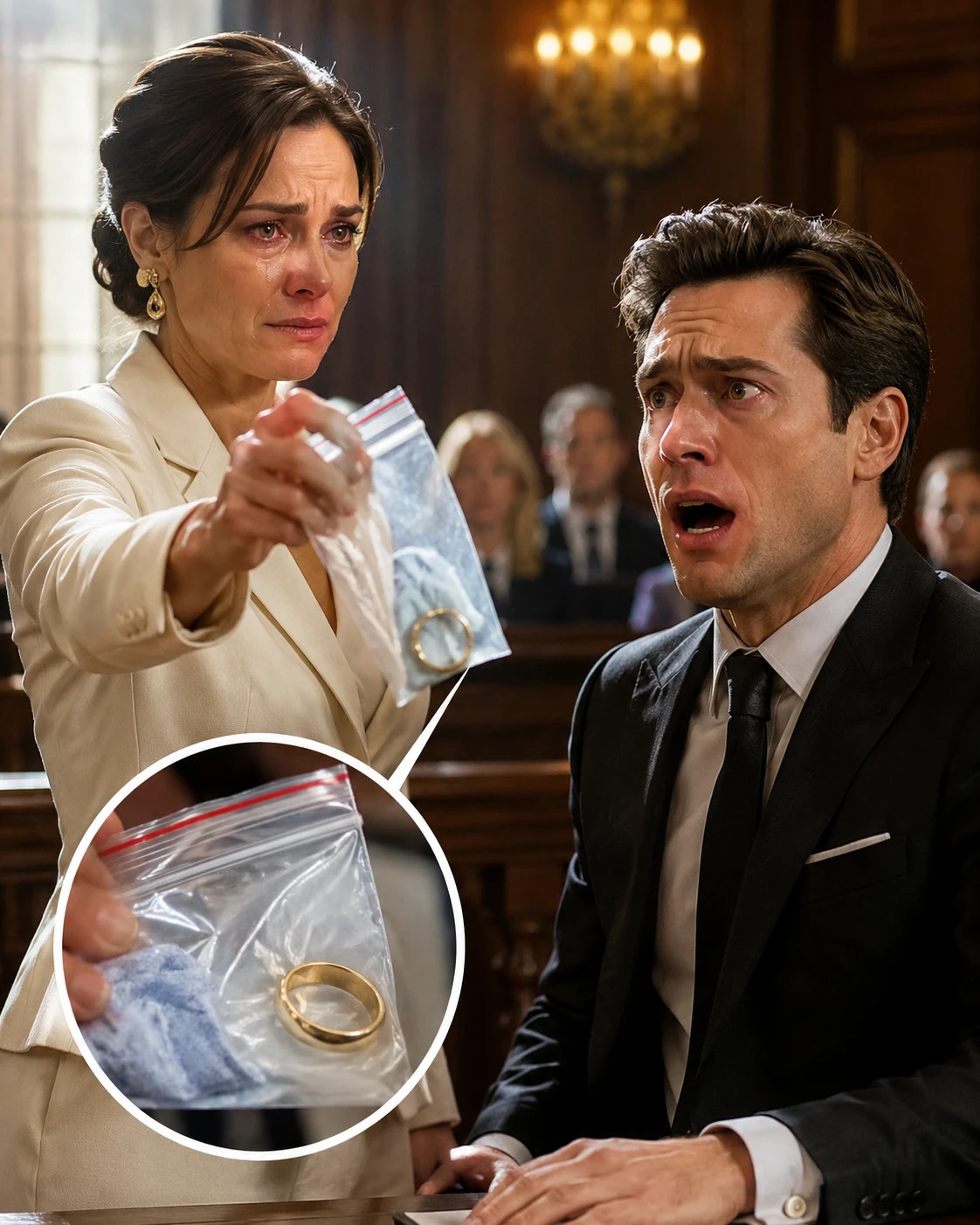
“Make it uglier than it is.”
I smiled then. Not because I was amused, but because the alternative was giving him the satisfaction of seeing a wound.
The invitation had been designed like a royal announcement.
Grant Whitaker and Sloane Mercer
request the honor of your presence
at the celebration of their forever
The Glasshouse at Hudson Yards
Saturday, November 16
Black tie. No children. No regrets.
Beneath it, in Sloane’s delicate handwriting, was a note.
Wear something forgiving. Cameras are unkind to women who refuse to let go.
I had read that sentence three times. Not because it hurt more with repetition, but because I wanted to memorize the exact flavor of her mistake.
Grant reached for the invitation.
I slid it away with two fingers.
“Don’t.”
His eyes flicked to mine. “It’s embarrassing.”
“Yes,” I said. “For someone.”
He exhaled. “This is a symbolic ceremony. Nothing legal. You know we can’t marry until—”
“Until you finish divorcing the woman whose name is on half of everything you own?”
His face changed. It was subtle. A muscle near his temple jumped.
That was the thing about men like Grant. They loved romance when it came dressed as entitlement. They loved the idea of love as long as love did not affect their liquidity.
He sat across from me and lowered his voice, the one he used in boardrooms and apologies.
“Eve. She shouldn’t have done this. I’ll talk to her.”
“Don’t bother.”
“She’s emotional.”
“You keep saying that like it’s a diagnosis instead of a strategy.”
His gaze moved from my face to the envelope. He was calculating now. Men like Grant were never more honest than when they were afraid.
“What else came with it?” he asked.
I leaned back.
There it was.
Not Do you hate me?
Not Are you all right?
Not I’m sorry.
What else came with it?
I let the silence stretch until he could hear the answer forming.
“A copy of the event contract,” I said. “Or part of one. I assume she wanted me to see the scale of it.”
His face drained one shade lighter.
“How much?” I asked gently.
“Evelyn.”
“How much of our money did you spend to celebrate replacing me?”
He stood abruptly. “You’re being dramatic.”
“No, Grant. Dramatic is sending your married boyfriend’s wife a wedding invitation before the divorce hearing. I’m being organized.”
That was when his anger surfaced. Not loud, not sloppy. Grant’s anger had a luxury finish. It came in quiet sentences and straightened cuffs.
“You know,” he said, “this is exactly why we didn’t work.”
I almost laughed.
We did not work because he had confused my restraint for weakness. Because he thought betrayal became elegant if performed in cashmere. Because he believed the woman who had built the room would politely leave when he wanted to decorate it with someone younger.
“Why didn’t we work?” I asked.
He looked at me, and for a second, I saw the boy I had married beneath the man who had betrayed me. That made it worse. Evil is easier when it has never held your hand.
“You stopped being hungry,” he said.
There it was.
The thesis statement of every man who mistakes a woman’s peace for decay.
I picked up my bourbon, though I still did not drink it.
“No, Grant. I stopped feeding you.”
His eyes darkened.
The next morning, he moved into the Carlyle “temporarily.” By evening, Page Six had photographed him leaving Sloane’s SoHo loft in a navy overcoat, her hand tucked possessively through his arm.
I did not comment.
I did not cry in public.
I did not call her.
I called my lawyer.
CHAPTER 2: A WIFE IN DIAMONDS, A HUSBAND IN PANIC
Naomi Bell had a corner office on Park Avenue and the emotional warmth of a loaded pistol.
She was fifty-two, elegant, and known in Manhattan divorce circles as The Velvet Guillotine. She wore ivory suits, read financial disclosures like murder confessions, and never used three words when one subpoena would do.
When I placed Sloane’s invitation on her desk, Naomi looked at it for half a second before reaching for latex gloves.
I blinked. “Are those necessary?”
“No,” she said. “But they make me feel theatrical.”
I liked Naomi immediately.
She read the invitation, the note, the venue address, and the partial contract Sloane had tucked inside. The contract showed a nonrefundable deposit of $480,000 paid to The Glasshouse at Hudson Yards under an entity called Mercer Private Events LLC.
Naomi’s expression did not change, but her pen stopped moving.
“Do you recognize the entity?” she asked.
“No.”
“Do you recognize the bank?”
I looked.
Briar & Locke Private Banking.
My stomach went cold.
Grant and I had accounts there.
Naomi pressed a button on her phone. “Send in Andre.”
Andre Voss was our forensic accountant. Tall, quiet, with silver glasses and the calm of a man who could find adultery in a spreadsheet. He entered, scanned the documents, and made a small sound that was almost joy.
“Interesting,” he said.
Men like Andre only used the word interesting when someone rich had done something stupid.
Within an hour, we had the first thread.
Mercer Private Events LLC had been formed six weeks earlier in Delaware. Its registered address traced to a mailbox. The deposit had not come directly from Grant. It had moved through three accounts: a consulting fee from Whitaker Capital to a vendor, then to Mercer Private Events, then to The Glasshouse.
“Could be legitimate,” I said.
Naomi gave me a look.
“It could also be a unicorn with a law degree,” she said. “But probably not.”
The timing mattered.
Grant and I were already in divorce proceedings. New York’s automatic orders prohibited either of us from transferring, hiding, or disposing of marital assets without consent or court approval. Grant had sworn, under penalty of perjury, that he was preserving the status quo.
Three days before our hearing, he had planned to stand in court and argue that Whitaker Capital was under liquidity pressure. That my requested settlement was “punitive.” That certain assets were overvalued or inaccessible.
Meanwhile, nearly half a million dollars had been sent toward a wedding celebration for his mistress.
It was not just immoral.
It was useful.
Over the next week, I became very still.
Stillness unsettles guilty people. They expect broken plates, drunken texts, mascara on pillowcases. They know how to defend against hysteria. They do not know what to do with a woman who answers emails promptly and sleeps eight hours.
I attended the Whitaker Foundation gala at the Plaza because my name was still on the invitation and because the board had not yet learned to exist without my Rolodex.
Sloane came wearing red.
Of course she did.
She was twenty-eight, luminous, and sharp in the way social media teaches beautiful women to be sharp. She had made herself famous by narrating luxury handbags on Reels in a whispery voice, then rebranded as a “philanthropic strategist” after Grant placed her on two charity committees I had built.
Her dress was satin, cut low enough to be called brave by women who hated her and stunning by men who wanted permission to stare. Grant stood beside her near the champagne tower, one hand at her waist.
The room noticed me noticing them.
That was the point.
Public humiliation is never spontaneous in wealthy rooms. It is staged, lit, and whispered through diamonds.
I wore black velvet and my mother’s emerald necklace.
When I entered, conversations dimmed in soft waves. I saw pity. Curiosity. Delight from women who feared their own husbands and enjoyed seeing another wife bleed first.
Sloane spotted me and smiled.
Grant did not.
I crossed the ballroom with a glass of champagne in hand, stopping to kiss cheeks, accept compliments, and let every camera capture the fact that I had arrived intact.
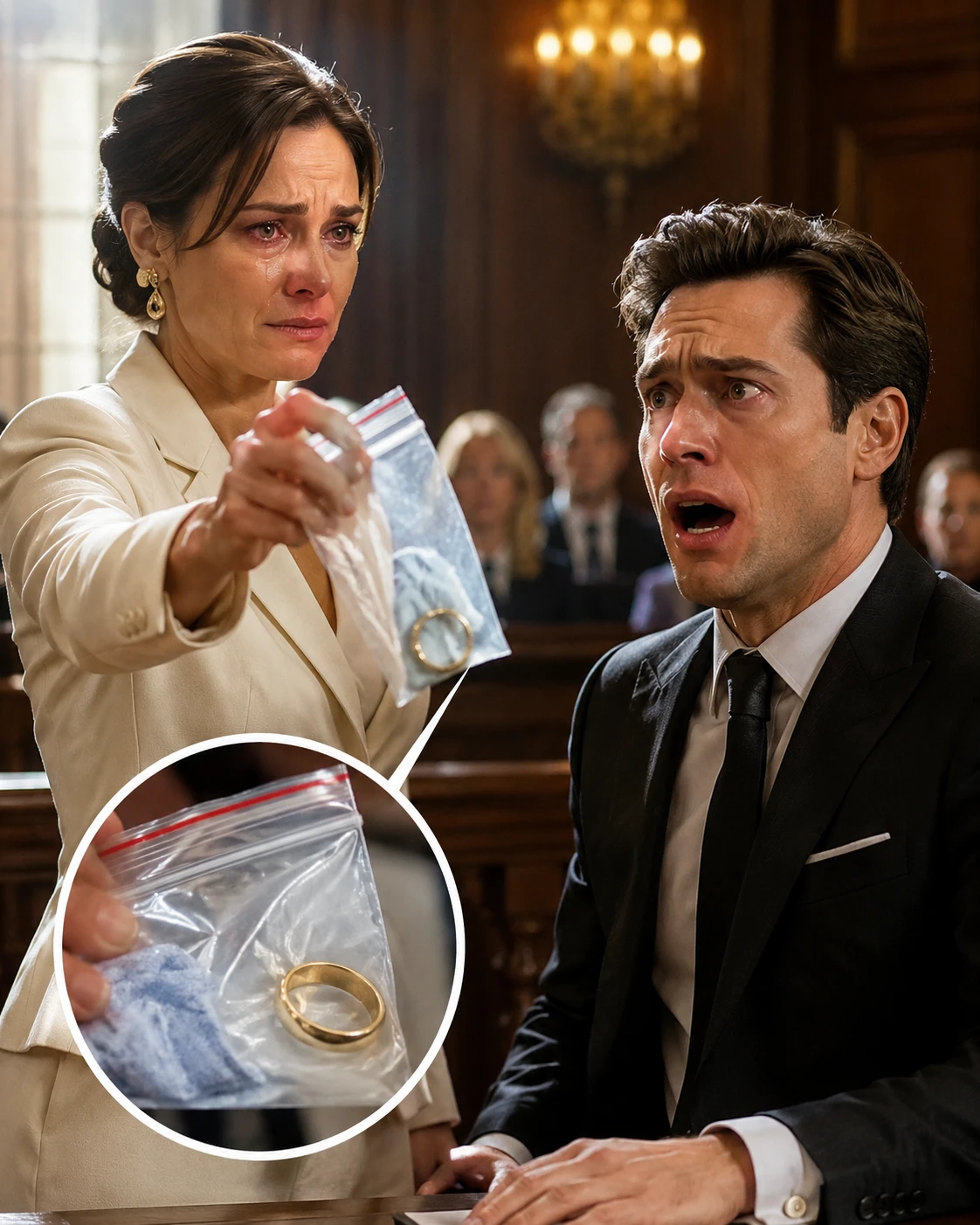
Sloane intercepted me near the silent auction table.
“Evelyn,” she said, as if my name were a favor.
“Sloane.”
“I’m surprised you came.”
“I helped plan it.”
Her eyes flicked to my emeralds. “That necklace is beautiful. Vintage?”
“My mother’s.”
“How sweet.” She tilted her head. “I hope you received my invitation. I know it might have been difficult, but I thought closure could be healing.”
There are moments in a woman’s life when she understands that cruelty is not loud because it does not need to be. It can wear lip gloss. It can hold champagne. It can say healing in front of donors.
Grant appeared behind her, pale with warning.
“Eve,” he said. “Can we not do this here?”
I smiled at him, then at Sloane.
“Do what?”
Sloane gave a small laugh. “I only wanted her to know she’s welcome. I don’t believe in bitterness between women.”
“No,” I said. “You believe in postage.”
A nearby trustee coughed into his drink.
Sloane’s smile tightened. “I understand why you’re angry.”
“That’s generous, considering you don’t understand much.”
Grant leaned in. “Enough.”
I looked at his hand on her waist. Then I looked at his face.
He had once touched me like that in public. Not with passion. With ownership.
“Grant,” I said softly, “you should take your hand off the evidence.”
His fingers dropped as if burned.
Sloane laughed again, but it came out wrong.
“Evidence?” she said. “Of what? Moving on?”
“No, sweetheart.” I set my champagne on the auction table. “Of poor counsel.”
The next morning, three photos circulated online.
Sloane in red, smiling like a victorious bride.
Grant staring at me with panic in his eyes.
And me, in black velvet, touching my emerald necklace with the calm expression of a woman listening to the first crack in a dam.
The caption strangers added was better than anything I could have written.
She looks like she knows where the bodies are buried.
They were close.
I knew where the accounts were.
CHAPTER 3: MARIGOLD HOLDINGS
The first hidden asset appeared in Aspen.
It was always Aspen with men like Grant. They could cheat in Manhattan, launder in Delaware, and lie in court, but eventually the money wanted a mountain view.
Andre found a series of “advisory fees” paid from Whitaker Capital to a boutique firm in Wyoming. The firm had no staff, no office, and a website with stock photos of people shaking hands in conference rooms that did not exist.
From there, funds moved into a trust vehicle tied to a property acquisition outside Aspen under the name Silver Elk Retreat LLC.
Purchase price: $8.7 million.
Intended occupant, according to private correspondence subpoenaed later: “S.M.”
Sloane Mercer.
A chalet for the mistress.
Paid for with marital funds.
Hidden behind entities.
During active divorce proceedings.
Naomi actually smiled when she saw it.
“Oh, Grant,” she murmured. “You ambitious idiot.”
But the real discovery was buried deeper.
A holding company had been quietly accumulating shares of Whitaker Capital’s parent entity for nearly eighteen months. Not enough to trigger public alarm, but enough to matter. The company was called Marigold Holdings.
I knew the name.
My mother had loved marigolds. She said they were vulgar little flowers because they survived anything.
When Grant and I married, he assumed my inheritance had gone into our shared life. The townhouse. The foundation. His introductions. His ascent.
Some of it had.
Not all.
My mother had taught me better than that.
Years before Grant’s affair became visible, before Sloane started appearing in board retreats and charity photos, before my husband began calling my silence cold, I had noticed small things.
A new phone facedown at dinner.
An assistant who stopped meeting my eyes.
A hotel charge in Miami during a week Grant claimed to be in Dallas.
I did not confront him then. Not because I was naive. Because confrontation is what people do when they need answers. I already had enough questions to begin an audit.
Quietly, legally, and through advisors Grant dismissed as “family office fossils,” I moved my separate inheritance into Marigold Holdings. We invested. Carefully. Patiently. We bought debt when Grant’s expansion strained his cash flow. We acquired minority positions from early investors who wanted out. We purchased liens. We became, over time, the polite ghost at his banquet.
Grant never noticed.
Men like him never look down at the foundation once they start admiring the skyline.
By the time Sloane mailed me that invitation, Marigold Holdings held enough leverage to call in certain obligations if Grant violated loan covenants or triggered reputational risk clauses.
An affair was not enough.
Asset concealment during a divorce was.
Public misuse of foundation-linked relationships was.
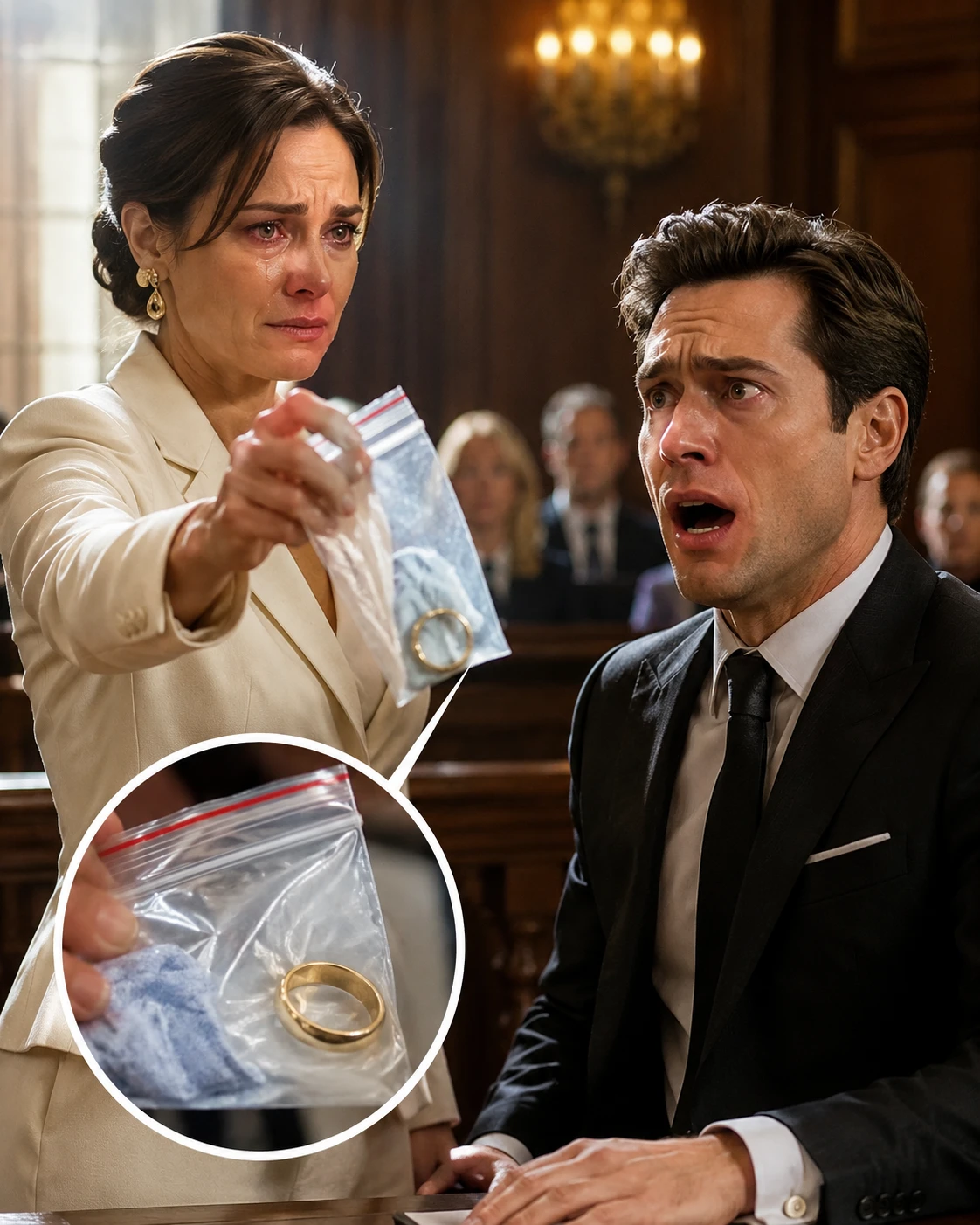
A subpoena trail connecting company vendors to a mistress’s wedding and real estate gifts was more than enough.
Naomi reviewed the Marigold documents in silence.
When she finished, she looked at me over her glasses.
“Evelyn.”
“Yes?”
“How long have you been planning this?”
I considered lying.
Then I thought of my mother’s lemon tart, her pearls, her grave beneath a gray Newport sky.
“Since the first time he made me feel foolish for trusting him.”
Naomi nodded once.
“Good.”
There is a particular grief that arrives when revenge becomes possible. People imagine vengeance as fire. They do not talk about the coldness that comes first. The disappointment. The humiliating clarity of discovering that the person you loved was never as complicated as you made him. He was simply selfish. Simply weak. Simply willing to burn your life for applause from a younger woman in a red dress.
One night, alone in the townhouse, I walked into Grant’s old study.
His books were still there, arranged by color because he had never read half of them. On his desk sat a silver-framed photo from our wedding in Newport. I was twenty-six, wearing my grandmother’s lace veil. Grant looked dazzled. Not by the money. Not then. I believe that. He looked dazzled by me.
That was the cruelest part.
A man can love you and still choose to destroy you if destruction benefits him.
I picked up the photo.
For a second, I let myself remember.
The tent glowing on the lawn. My mother crying quietly into a linen handkerchief. Grant whispering, “I’ll spend my life earning this,” as if love were a debt he intended to repay with devotion.
I wondered when he stopped trying.
Then my phone buzzed.
A text from an unknown number.
Enjoy court, Evelyn. Try not to look desperate. Cameras hate that.
Sloane.
I stared at the message until my reflection appeared in the black glass of the phone.
Then I forwarded it to Naomi.
Naomi replied twenty seconds later.
Bless her. She thinks harassment is a branding exercise.
The next morning, we filed an emergency motion seeking sanctions, expanded discovery, temporary restraints, and a forensic review of transfers connected to Mercer Private Events LLC, Silver Elk Retreat LLC, and related entities.
Grant called me eleven times.
I answered on the twelfth.
“What are you doing?” he demanded.
His voice was ragged.
I was in my dressing room, choosing earrings.
“Getting ready.”
“For what?”
I looked at myself in the mirror.
No tears. No tremble. Just a woman in a cream blouse, pearl studs, and the face of someone who had finally understood the assignment.
“For court.”
CHAPTER 4: THE HEARING BEFORE THE WEDDING
The courthouse did not look like revenge.
That disappointed me a little.
It was beige, crowded, fluorescent, and smelled faintly of coffee and damp wool. But even ugly rooms can hold beautiful consequences.
Grant arrived with two attorneys, one crisis consultant, and the posture of a man who had slept badly in expensive sheets.
Sloane came too.
That was her first mistake of the day.
Her second was wearing white.
Not bridal white, technically. A tailored ivory pantsuit with a silk camisole and diamonds at her throat. Still, the symbolism was obvious enough that even the court officer glanced twice.
Naomi saw her and whispered, “Adorable. She dressed as Exhibit B.”
I did not laugh.
I wore navy.
It is important, when destroying someone, not to look too excited.
The hearing began with Grant’s attorney arguing that my motion was “vindictive,” “emotionally driven,” and “based on misinterpretations of ordinary business transactions.”
The judge, Honorable Margaret Ellis, had gray hair, sharp eyes, and the exhausted patience of a woman who had listened to wealthy men explain missing money for thirty years.
Naomi rose.
“Your Honor, this is not a motion about infidelity. My client is not asking the court to adjudicate heartbreak. We are asking the court to address documented transfers of marital assets through shell entities during active divorce proceedings, in apparent violation of automatic orders and sworn financial disclosures.”
Grant stared straight ahead.
Sloane checked her phone.
Naomi placed the invitation into evidence.
There was a small shift in the courtroom when the judge read the envelope.
To the woman he outgrew.
Judge Ellis looked over her glasses.
“Who addressed this?”
Silence.
Grant’s attorney stood. “Your Honor, we do not concede authenticity.”
Naomi smiled. “We anticipated that.”
She introduced the courier receipt.
Then the stationer’s invoice.
Then the email from Sloane Mercer approving the wording.
Sloane stopped checking her phone.
Naomi continued.
The venue deposit.
The LLC formation documents.
The bank transfers.
The vendor “consulting fees.”
The Aspen property.
The private messages indicating Grant intended to settle the divorce cheaply, then “clean up the paper trail after November.”
That phrase hung in the air like smoke.
Clean up the paper trail.
Grant closed his eyes.
I did not look at him. I watched the judge.
There is a discipline to justice when it finally begins moving. It is not cinematic at first. No thunder. No swelling music. Just pages turning. Facts entering the record. Lies becoming administrative.
Grant’s attorney tried to object.
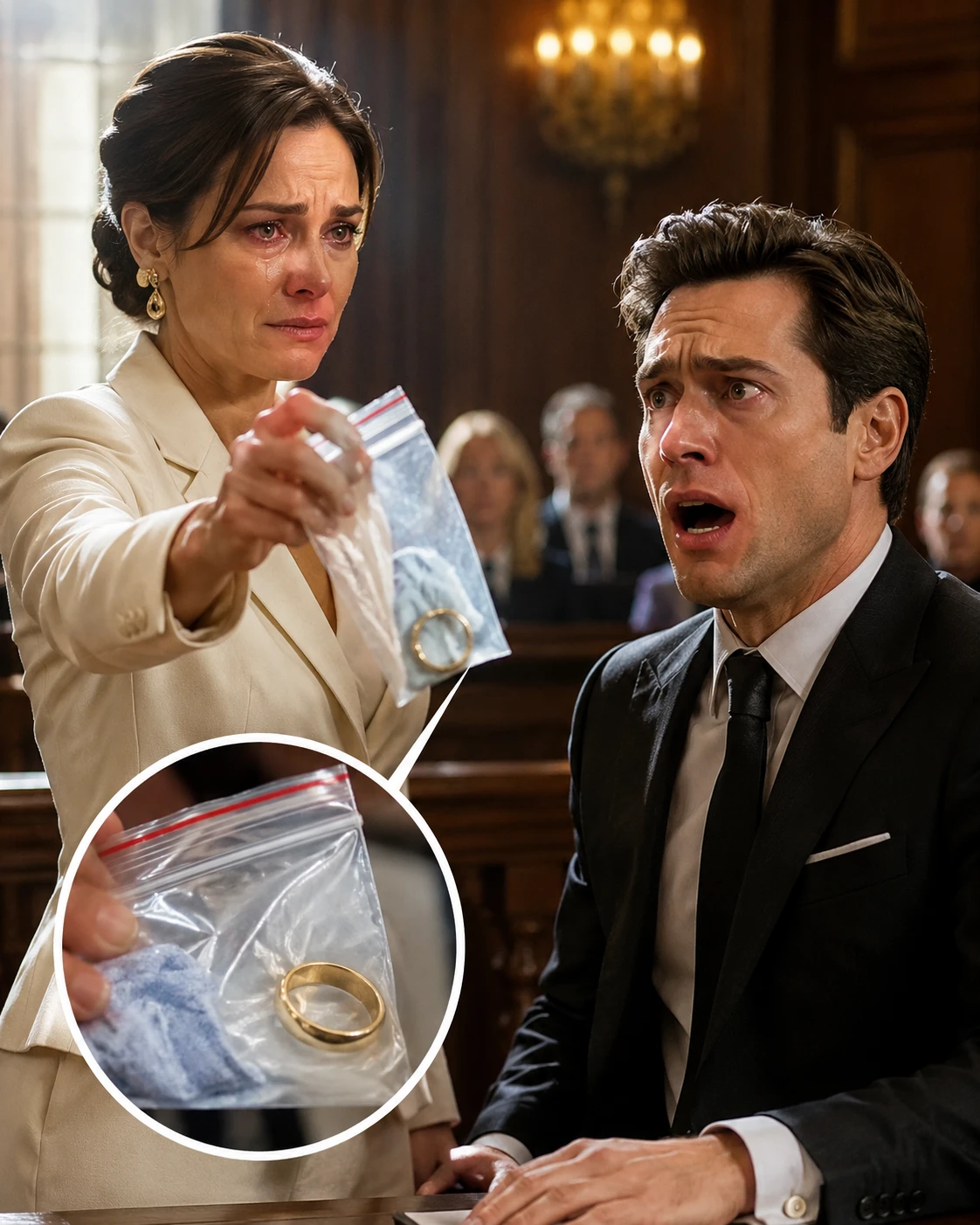
Naomi let him.
Then she produced the sworn financial statement in which Grant had omitted the same entities. She produced the valuation report that understated Whitaker Capital’s liquidity. She produced emails between Grant and his CFO discussing a “temporary optics strategy” during settlement negotiations.
Judge Ellis leaned back.
“Mr. Whitaker,” she said, “did you authorize these transfers?”
Grant’s attorney touched his arm, warning him not to speak.
But Grant had always believed he was most persuasive when cornered.
“These were business expenses,” he said.
Naomi turned.
“A wedding deposit is a business expense?”
His jaw tightened. “It was a client event.”
“For your mistress?”
The courtroom went still.
Sloane stood abruptly. “I’m not his mistress.”
Every head turned.
Judge Ellis looked at her.
“And you are?”
Sloane lifted her chin. “His fiancée.”
Naomi closed her folder with a soft, lethal snap.
“Your Honor, we appreciate Ms. Mercer’s clarification.”
Grant’s attorney went pale.
Because fiancée was not a romantic word in that room.
It was motive.
It was timeline.
It was intent.
Judge Ellis ordered expanded discovery, froze specific accounts, restrained further transfers, appointed a neutral forensic examiner, and set a sanctions hearing. She also ordered Grant to advance my legal and accounting fees from his separate funds pending review.
Then she looked at Sloane.
“Ms. Mercer, you may wish to retain counsel.”
Sloane’s mouth opened.
No sound came out.
Outside the courthouse, reporters had gathered. Divorce, money, mistress, wedding invitation — it was everything America loved pretending not to love.
Grant tried to take my arm as we exited.
I looked down at his hand.
He removed it.
“Evelyn,” he said under his breath, “you’re going to ruin me.”
I almost pitied him then.
Almost.
“No, Grant,” I said. “You budgeted for that yourself.”
Sloane stood a few feet away, surrounded by cameras she had once known how to seduce. Without filters, without flattering angles, without control, she looked very young.
That did not make her innocent.
It made her unprepared.
A reporter shouted, “Mrs. Whitaker, do you have any comment on the invitation?”
I paused.
Naomi, beside me, murmured, “Careful.”
So I was.
I looked directly into the camera.
“I RSVP through counsel.”
By midnight, the clip had gone everywhere.
Women stitched it over breakup stories. Divorce attorneys reposted it with flame emojis. Strangers made edits of me walking out of court in navy wool while dramatic piano music played under captions like:
WHEN THE WIFE STOPS CRYING AND STARTS DISCOVERING.
Sloane posted a black square on Instagram about “being attacked for choosing love.”
Then three former assistants, two vendors, and one very irritated event planner sent documents to Naomi.
People think power is always money.
Sometimes power is simply being the woman nobody wants to underestimate anymore.
CHAPTER 5: THE VENUE WAS NEVER HERS
The wedding was canceled, officially, due to “privacy concerns.”
Unofficially, The Glasshouse refused to proceed after receiving a preservation letter, two subpoenas, and a polite reminder that accepting funds tied to disputed marital assets could create complications no luxury venue wanted attached to its liquor license.
Sloane did not take it well.
She posted a video from a hotel suite in Tribeca, face pale, eyes wet, diamond still on her finger.
“I have been bullied by a woman who refuses to heal,” she said.
That line became a meme within six hours.
Refuses to heal?
No, darling. Refuses to fund your wedding.
Grant disappeared from public view.
Whitaker Capital’s board convened an emergency meeting after the forensic examiner’s preliminary findings revealed unauthorized transfers, covenant issues, and undisclosed liabilities. Several limited partners requested explanations. One requested his money back loudly enough to be heard in Greenwich.
Then Marigold Holdings sent its letter.
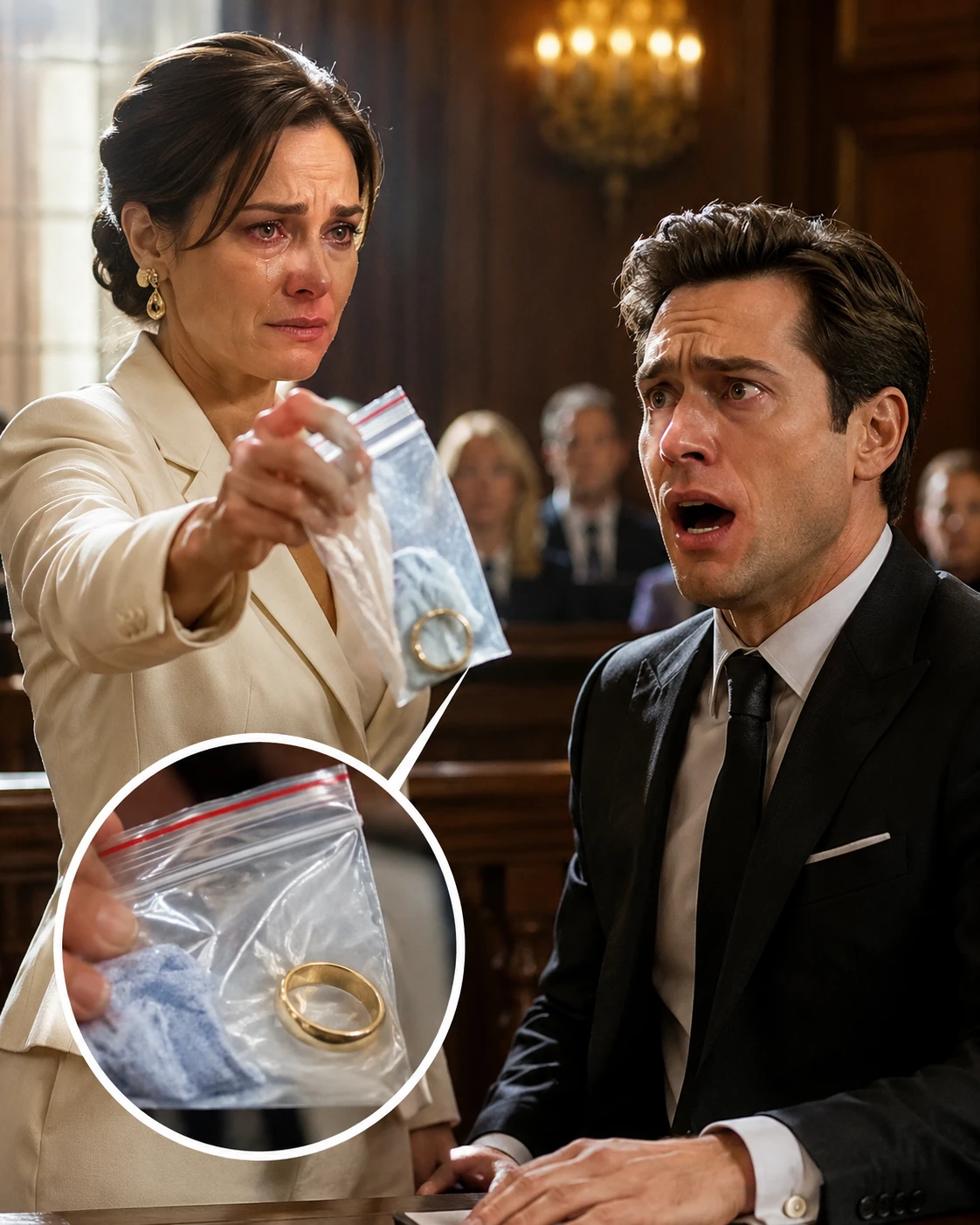
It was twelve pages long, drafted with the exquisite boredom of attorneys billing by the hour. It cited breach triggers. Governance failures. Reputational harm. Misuse of funds. Failure to disclose material personal liabilities that could impair management stability.
At the bottom was my signature.
Evelyn Hart Whitaker
Managing Member, Marigold Holdings
Grant called within seven minutes.
This time, I answered immediately.
There are some sounds a person earns the right to hear.
“You?” he said.
No greeting. No apology. Just the stunned outrage of a man discovering the floor belonged to someone else.
“Yes.”
“You’re Marigold?”
“Yes.”
He breathed hard into the phone.
“For how long?”
“Long enough.”
“You bought my debt.”
“Some of it.”
“You bought my investors.”
“No. They sold because you overleveraged and underperformed.”
“You had no right.”
I walked to the window of the townhouse. Snow had begun falling over Manhattan, softening the city into something almost gentle.
“That’s funny,” I said. “I used to say the same thing when you brought your girlfriend to board dinners.”
He went quiet.
Then, lower, “Did you ever love me?”
There it was. The last refuge of a guilty man: making the victim prove the marriage mattered.
I closed my eyes.
“Yes,” I said. “That was the expensive part.”
For the first time in months, he said nothing clever.
I almost wished he would. Cruelty is easier to leave than sorrow. But Grant had always known how to find the bruise beneath my armor.
“I made mistakes,” he said.
“No. You made plans. The mistakes were in the paperwork.”
He laughed once, bitterly. “You sound like your mother.”
“Thank you.”
“She hated me.”
“No, Grant. She understood you early.”
That ended the call.
The final twist arrived two weeks later, wrapped not in cream paper but in plain brown cardboard.
Inside was a file box from my mother’s old Newport attorney, Mr. Harlan, who had retired to Maine and still wrote letters with a fountain pen. He had heard about the case, of course. Everyone had. He sent the box with a note.
Your mother asked me to keep this sealed unless you ever needed to remember what she saw.
Inside were documents from twelve years ago.
Before my wedding.
Before Whitaker Capital became a name.
Before Grant learned which fork to use at donor dinners and which widows preferred flattery over direct asks.
My mother had investigated him.
Of course she had.
There were credit reports. Old lawsuits. Emails from a former business partner warning that Grant was brilliant but “morally elastic under pressure.” A memo from my mother’s attorney advising a stronger prenuptial agreement. Notes in my mother’s handwriting.
He is not evil. He is hungry. Hunger is charming until it realizes love is edible.
I sat on the floor of my dressing room and cried then.
Not for Grant.
For the younger version of myself who had been warned in a language she did not yet know how to read.
At the bottom of the box was one final envelope.
Evelyn — open when you are ready to choose yourself.
My hands shook.
Inside was a letter from my mother.
My darling girl,
If you are reading this, then I have either misjudged him or you have finally stopped making excuses for what you already know.
I will not tell you I told you so. A mother who loves her daughter never celebrates being right about her pain.
I only want you to remember this: You were never the price of his greatness. You were never the scaffolding for his ambition. You were not born to stand beside a man while he practices becoming worthy and then applaud when he mistakes another woman for his prize.
Keep something of yourself untouched.
Keep money he cannot reach.
Keep friends who know your maiden name.
Keep records.
Keep beauty, not because the world deserves it, but because you do.
And when the day comes, do not rage in the street. Do not beg at the table. Do not explain your value to a man who spent years spending it.
Simply take your life back with both hands.
I love you beyond pearls, beyond houses, beyond every room I ever taught you to enter.
Mother
I pressed the letter to my chest and let the grief move through me.
There is a kind of crying that weakens you.
This was not that.
This was a storm clearing the last smoke from a burned house.
By January, the settlement negotiations had transformed.
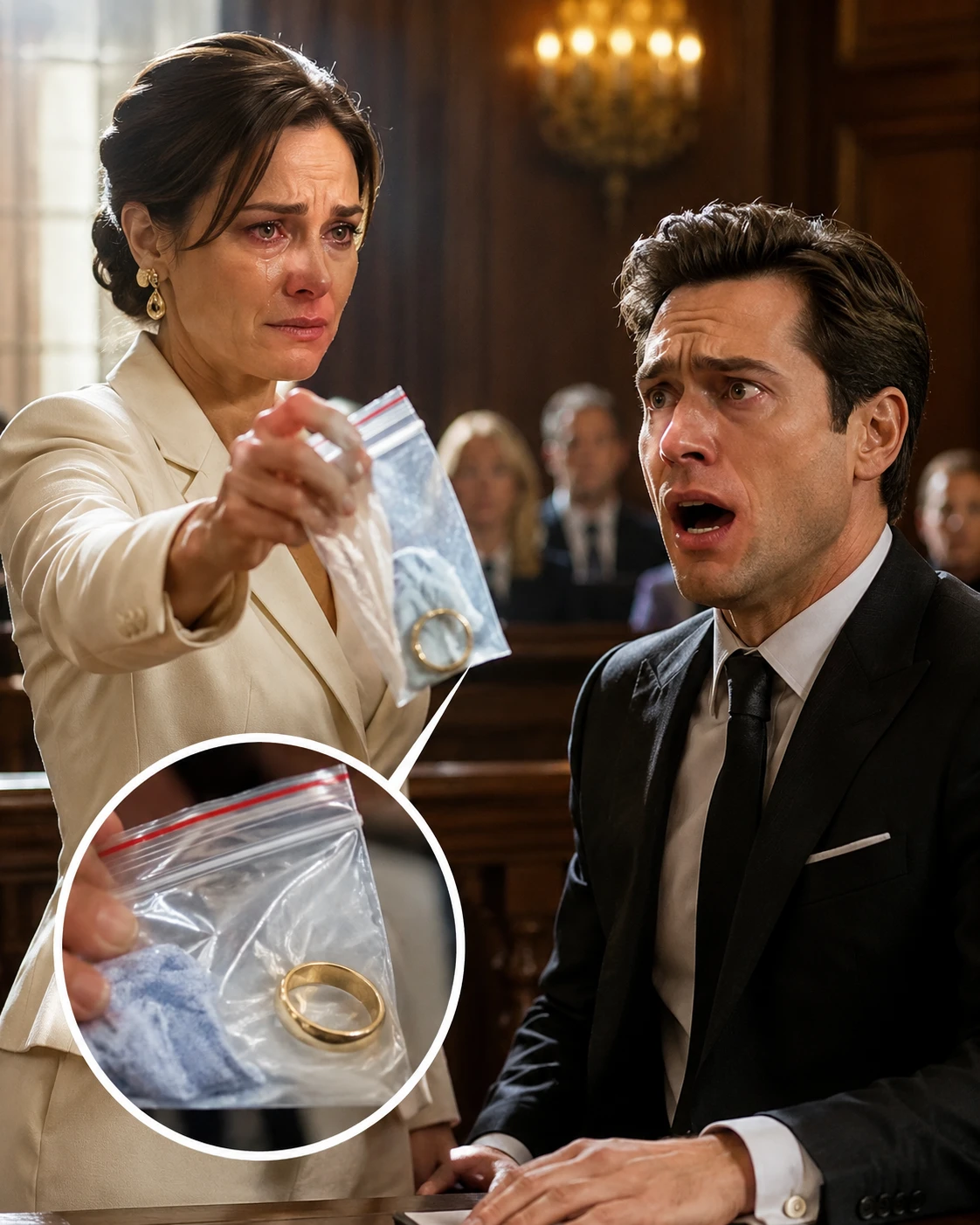
Grant’s side no longer used words like punitive. They used words like resolution, cooperation, and regrettable.
The court imposed sanctions. The hidden transfers were clawed back into the marital estate. The Aspen property contract collapsed. Sloane’s LLC became the subject of separate proceedings. Whitaker Capital survived, but Grant did not survive as CEO.
The board accepted his resignation with gratitude for his service, which is how rich people say, “Leave before lunch.”
Marigold Holdings nominated interim leadership.
For continuity, they said.
For stability.
For the first time in his adult life, Grant had to ask permission to enter a room he once believed he owned.
As for Sloane, she tried to relaunch herself as a wellness founder.
Her first product was a journal called Unbothered.
The internet was not kind.
I did not comment.
That surprised people most. They wanted a victory lap. A podcast. A book deal. A crying interview in soft lighting where I said betrayal made me stronger and forgiveness set me free.
But forgiveness, like couture, should never be borrowed for public approval.
I was not ready to forgive.
I was ready to be free.
CONCLUSION: WHAT I KEPT
In the spring, I sold the townhouse.
Not because I had to.
Because marble remembers too much.
I bought a brownstone in Brooklyn Heights with crooked stairs, old trees outside the windows, and a kitchen that caught morning light like honey. Ruth came with me. So did the emerald necklace, my mother’s letters, and one framed photo from my wedding.
Not the one with Grant.
One of me and my mother.
She was fastening my veil. I was looking at her in the mirror, laughing at something I no longer remembered. For years, I had thought that photo was about becoming a wife.
Now I know it was about being loved before anyone tried to rename me.
On the first warm Sunday of May, Naomi came over for lunch. She brought champagne and a lemon tart from a bakery in the West Village.
“To legal consequences,” she said, raising her glass.
“To good stationery,” I replied.
She laughed.
Later, after she left, I sat on the back steps with bare feet and watched the city soften into evening. Somewhere across the river, Grant was rebuilding a smaller life with fewer doors opening automatically. Somewhere online, Sloane was teaching strangers how to manifest abundance from a rented kitchen.
And I was quiet.
Not empty.
Quiet.
There is a difference.
People always ask when I knew I had won.
Was it in court, when the judge read the invitation?
Was it when the accounts froze?
Was it when Grant realized Marigold Holdings was mine?
Was it when Sloane’s white suit became a thousand memes?
No.
I knew I had won the first morning I woke up and did not reach for my phone to see who had hurt me.
I made coffee. I opened the windows. I watered the marigolds I had planted in blue ceramic pots along the terrace.
They were vulgar little flowers.
Bright. Stubborn. Impossible to embarrass.
They turned their faces toward the sun like survival was a luxury they had every intention of keeping.
A woman does not become powerful because someone betrays her.
She becomes powerful when she stops auditioning for the mercy of people who benefited from her silence.
Sloane thought she was sending me proof that I had been replaced.
Grant thought I would mistake shame for defeat.
They both forgot that women like me are raised in rooms where every smile has a witness, every insult has a receipt, and every ending can be rewritten by whoever kept the documents.
The envelope was cream, expensive, and stupid.
My husband begged me to ignore it because “she was emotional.”
I did not ignore the venue address, the deposit amount, or the date before our divorce hearing.
My lawyer used all three to prove planned asset concealment and bad-faith negotiation.
She mailed an insult. I filed a motion.